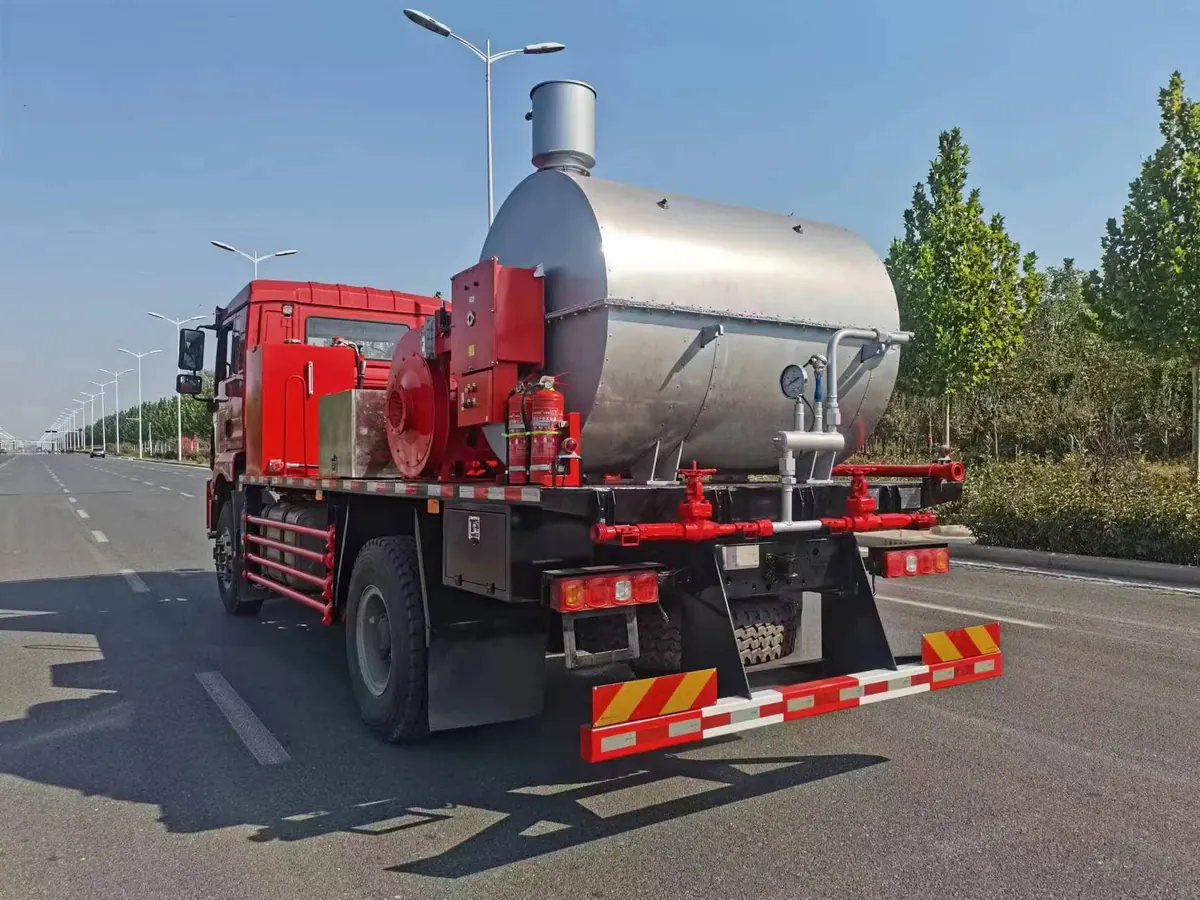
Identify the deposit location and available information
Ask the responsible well or flow-assurance team to describe where the deposit is believed to be and what evidence supports that view. Include relevant completion or flowline information and uncertainties. The truck supplier cannot determine treatment reach from a maximum temperature alone. A preliminary location estimate should remain distinguishable from an accepted treatment basis rather than become a guaranteed depth or length covered by the equipment.
Describe the accepted fluid route
Provide the proposed supply and return path for competent review, with relevant geometry and receiving conditions. Ask which thermal and circulation information is needed to assess delivery along that route. A heater outlet reading should not be copied directly into a claimed condition at the deposit. Keep the treatment specialist responsible for the broader assessment and the truck supplier responsible for its actual supplied boundary.
Ask what the truck must deliver at its boundary
Request a configuration-specific response for fluid, inlet condition, outgoing condition, rate and duration at the agreed acceptance point. Identify the relevant connection equipment included in the offer. This allows procurement to compare supported equipment duties without claiming that every remote thermal effect lies inside the truck supply. Where a wider performance boundary is proposed, ask which external arrangement and assumptions it covers.
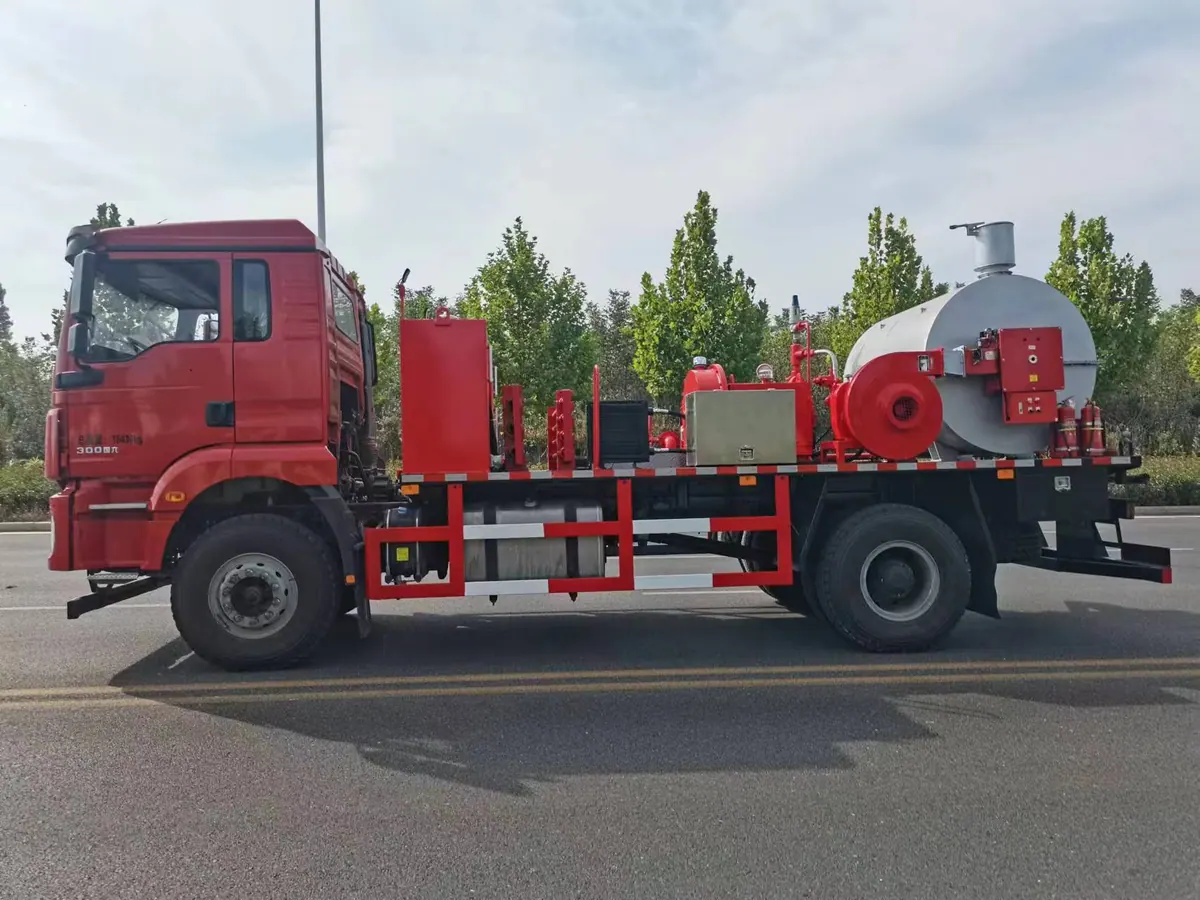
Keep limits separate from desired treatment conditions
Have the relevant providers identify accepted equipment and connection limits for the actual configuration. The treatment objective does not change those limits or authorize a higher setting. If the reviewed target conditions cannot be supported by the proposed arrangement, request a revised assessment rather than increasing headline capacity informally. Procurement should expose that gap, not supply a universal surface-to-downhole temperature conversion or an unreviewed treatment instruction.
Agree which observations support field review
Identify the available measurements and records needed by the responsible treatment team to evaluate the assignment. Distinguish measured conditions from estimated target conditions and retain their bases. Ask how changes in route, fluid or operating state affect the original assessment. The accepted purchase should connect a supported truck duty to a separately reviewed treatment objective without promising a fixed cleaning depth or an outcome inferred only from a hot surface discharge.
Use a boundary drawing and a defined review responsibility
Ask bidders and the project team to identify where equipment performance is accepted and who assesses the thermal path beyond that point. Keep source information and uncertainties with the corresponding conditions. This avoids comparing unlike promises and helps the purchaser see which additional engineering or equipment is required. The order should identify the accepted delivered duty and its evidence, while leaving site interpretation with the competent team. It should not imply that wax appearance temperature is a universal controller setting or that a maximum truck temperature proves useful heat reaches every possible deposit.
Put these items side by side in the bid review
| Purchase item | Question to resolve | Evidence to request |
|---|---|---|
| Location | Where is the target and how certain is it? | Deposit and geometry basis |
| Boundary | What must the supplied truck deliver? | Accepted fluid-duty response |
| Interpretation | Who assesses the thermal path? | Named project review and evidence |
Suggested wording for the quotation request
Respond to the attached deposit location, fluid route and treatment assessment with a supported truck-boundary duty. State the selected fluid, inlet and outlet conditions, paired rate and duration. Identify included connection equipment and external thermal assumptions. Distinguish measured output from estimated target conditions and flag unresolved inputs without promising cleaning depth or treatment success from surface temperature alone.
Select the wax-removal truck against an identified deposit, compatible treating fluid and an accepted circulation assignment. Review heater duty, delivered temperature, paired pump conditions, storage and the external return route together. Maximum component ratings and a wax appearance temperature do not establish a universal treatment recipe or prove cleaning effectiveness. Confirm the actual included equipment, measurement evidence and supplier responsibilities. Retain fluid information, configuration documents, operating limits and acceptance records with the purchase. Work at a well or flowline requires the responsible engineers, competent personnel and approved equipment and site procedures.
For the wider equipment scope, consult the Wax Removal Trucks: Using Wax Appearance Temperature. Use the RFQ checklist to collect the supporting documents before requesting a configuration-specific quotation.
Buyer questions
Does heater outlet temperature establish deposit temperature?
No. The actual route and thermal conditions require competent assessment.
Can a treatment objective override connection ratings?
No. Retain the accepted limits of the actual equipment and assemblies.
Background and supplier contact
SLB hot-oiling technical background offers related background, not certification of the equipment in a quotation. Applicability must be checked for the project and destination.
Explore the wax removal truck, browse all technical resources, or visit Vance Petroleum for company information. Request a wax-removal package proposal with deposit information, treating-fluid properties, circulation duty and the return arrangement.