Write an accepted working-case schedule
Provide the treating fluid, inlet condition, required outlet state, pressure and rate for the relevant assignment. Identify normal and other governing cases through responsible project review. Keep duration and uncertainty with each case. A list containing only the largest requested values gives the supplier little basis to explain whether those requirements belong to one supported condition or to separate operating alternatives.
Ask how the complete path is selected
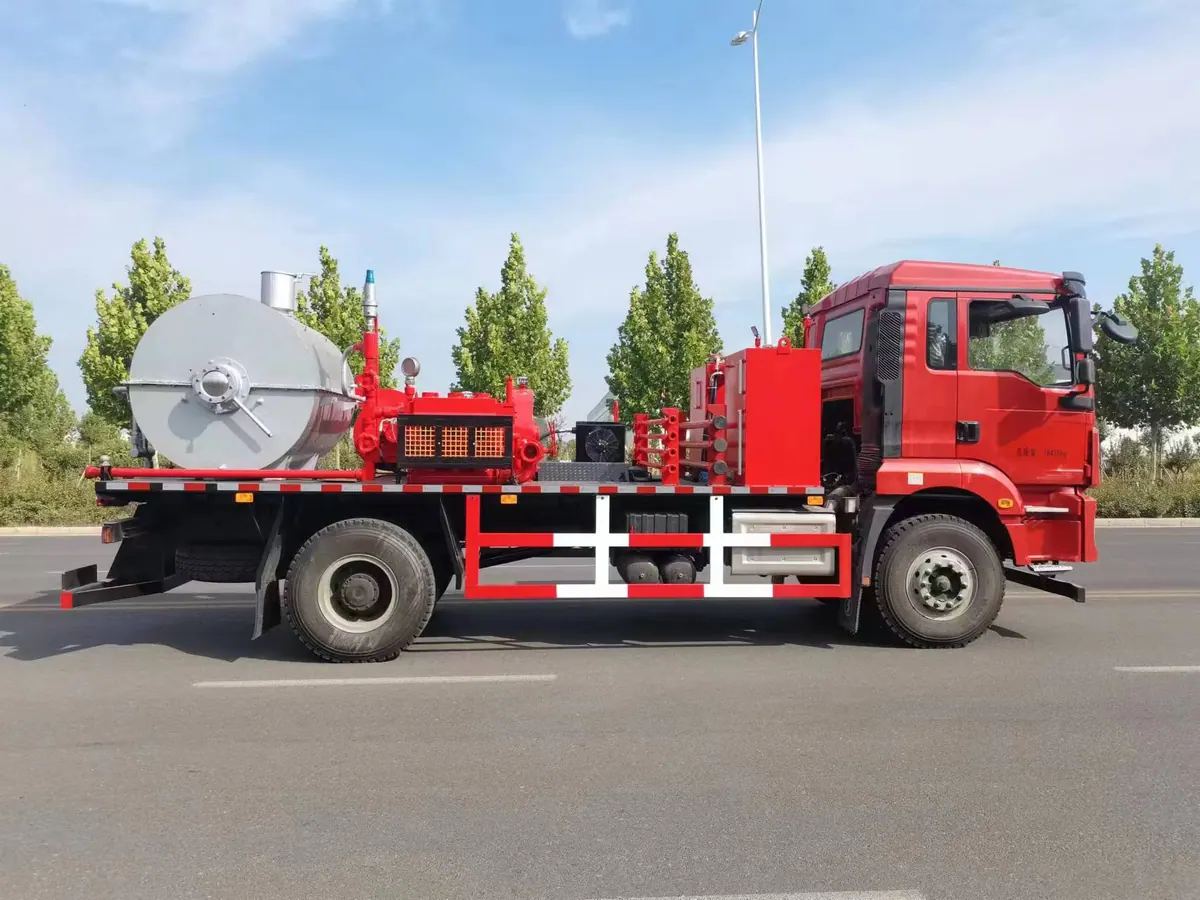
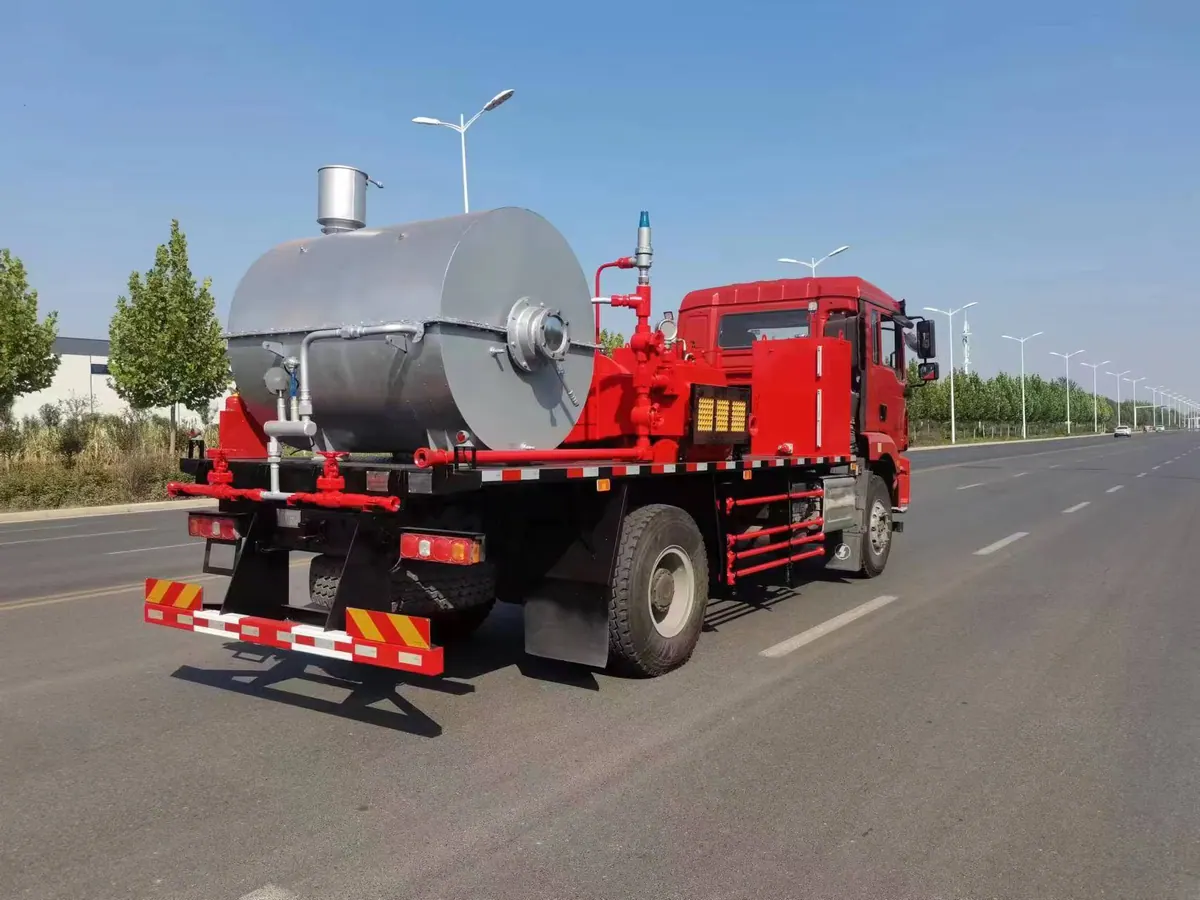
Request the heater, pump, tanks, controls and relevant supplied connection equipment for the proposed cases. Ask the bidder to identify restrictions along the complete accepted boundary. A pump rating does not establish the capability of the heated path, while a heater rating does not prove the required delivery pressure. Keep the actual installed combination visible rather than evaluating unrelated component datasheets as though they already form an accepted truck.
Distinguish alternative conditions from simultaneous duty
Have the supplier state which requirements can occur together and which need a different configuration or operating case. Do not combine a maximum temperature from one table with a flow or pressure from another without confirmation. Where alternatives are offered, request separate responses and commercial effects. The purchaser can then compare supported options instead of attributing the most favorable value from each option to a single base vehicle.
Identify fluid and environmental assumptions
Ask which properties and incoming conditions support the proposed duty response. Include any relevant variation in returned fluid or site conditions that needs review. A demonstration with a simpler test liquid is not automatically equivalent to the selected heated treating fluid. Keep consumption or capacity estimates tied to their supporting basis rather than presenting them as universal figures for every wax-removal assignment.
Agree verification at the same boundary
Request a plan identifying the equipment, measurement locations and conditions covered by the accepted evidence. Distinguish calculations, component records and package demonstrations. Record remaining site checks where the full assignment cannot be represented at the factory. The order should preserve the supported simultaneous cases and limitations so a later request for more heat or rate triggers review rather than silently expanding the purchased operating envelope.
Compare a supported case rather than four separate maxima
Put the fluid, temperature, pressure, rate and duration together beside each bidder response. Require deviations and external dependencies to be marked. A lower nominal maximum can still be the relevant offer if it supports the actual simultaneous assignment, while a more powerful component can leave another boundary unresolved. Retain the accepted configuration with the price. This produces a transparent equipment comparison without inventing a generic pressure-flow allowance, assuming unlimited heated duty or interpreting a product photograph as proof that the complete installed path supports every published extreme at once.
Put these items side by side in the bid review
| Purchase item | Question to resolve | Evidence to request |
|---|---|---|
| Case | Which conditions must occur together? | Controlled duty schedule |
| Selection | What limits the supplied heated path? | Configuration-specific response |
| Verification | What conditions substantiate the offer? | Accepted evidence and boundary |
Suggested wording for the quotation request
Quote the wax-removal truck against the attached simultaneous fluid, pressure, rate, temperature and duration cases. Identify the supplied heater, pump and connection configuration and all limiting assumptions. Respond separately to alternatives and state which maxima cannot be combined. Provide relevant verification evidence and external site dependencies without presenting independent component ratings as one universal installed duty.
Select the wax-removal truck against an identified deposit, compatible treating fluid and an accepted circulation assignment. Review heater duty, delivered temperature, paired pump conditions, storage and the external return route together. Maximum component ratings and a wax appearance temperature do not establish a universal treatment recipe or prove cleaning effectiveness. Confirm the actual included equipment, measurement evidence and supplier responsibilities. Retain fluid information, configuration documents, operating limits and acceptance records with the purchase. Work at a well or flowline requires the responsible engineers, competent personnel and approved equipment and site procedures.
For the wider equipment scope, consult the Oilfield Wax Removal Truck: Configuration Guide. Use the RFQ checklist to collect the supporting documents before requesting a configuration-specific quotation.
Buyer questions
Are all published maximum values necessarily simultaneous?
No. Obtain support for the actual combined condition and configuration.
Should alternative equipment cases have separate prices and qualifications?
Yes. Keep their supplied functions and dependencies distinguishable in the bid review.
Background and supplier contact
OSHA oil and gas extraction guidance offers related background, not certification of the equipment in a quotation. Applicability must be checked for the project and destination.
Explore the wax removal truck, browse all technical resources, or visit Vance Petroleum for company information. Request a wax-removal package proposal with deposit information, treating-fluid properties, circulation duty and the return arrangement.