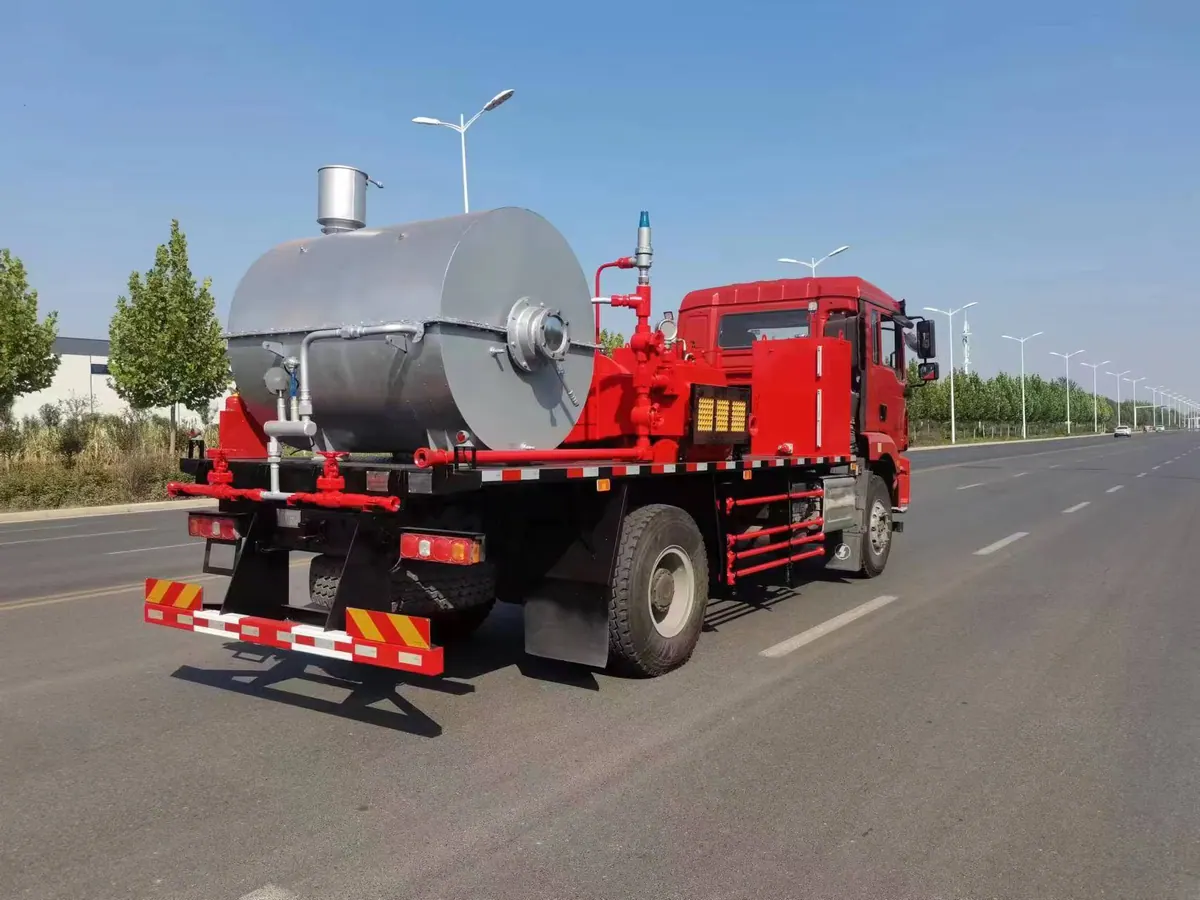
Define the useful thermal requirement
Provide the selected treating fluid, incoming condition, required outgoing condition and circulation schedule through the responsible project review. Identify where the thermal performance must be accepted. A maximum heater temperature does not establish the energy delivered at the required rate. Ask the supplier to respond to the actual assignment rather than combine a reference burner capacity with a separate pump maximum from another configuration.
Distinguish the rating boundaries
Require the bidder to identify whether a quoted value represents fuel input, heater output or delivered fluid duty at an agreed location. Request the conditions supporting it. Those figures answer different questions and should not be ranked as equivalent capacity labels. If a conversion or reference condition is used, ask how it relates to the accepted treating fluid and duty before assigning the value to the truck purchase.
Match heating and circulation together
Ask which pressure, rate and thermal conditions are supported simultaneously by the proposed arrangement. Include the heater path and relevant interfaces rather than evaluating the pump and burner in isolation. A pump capable of more flow may change the thermal requirement at a selected outlet condition. Keep the actual supported working cases and restrictions visible without assuming that independent maximum ratings describe one achievable operating point.
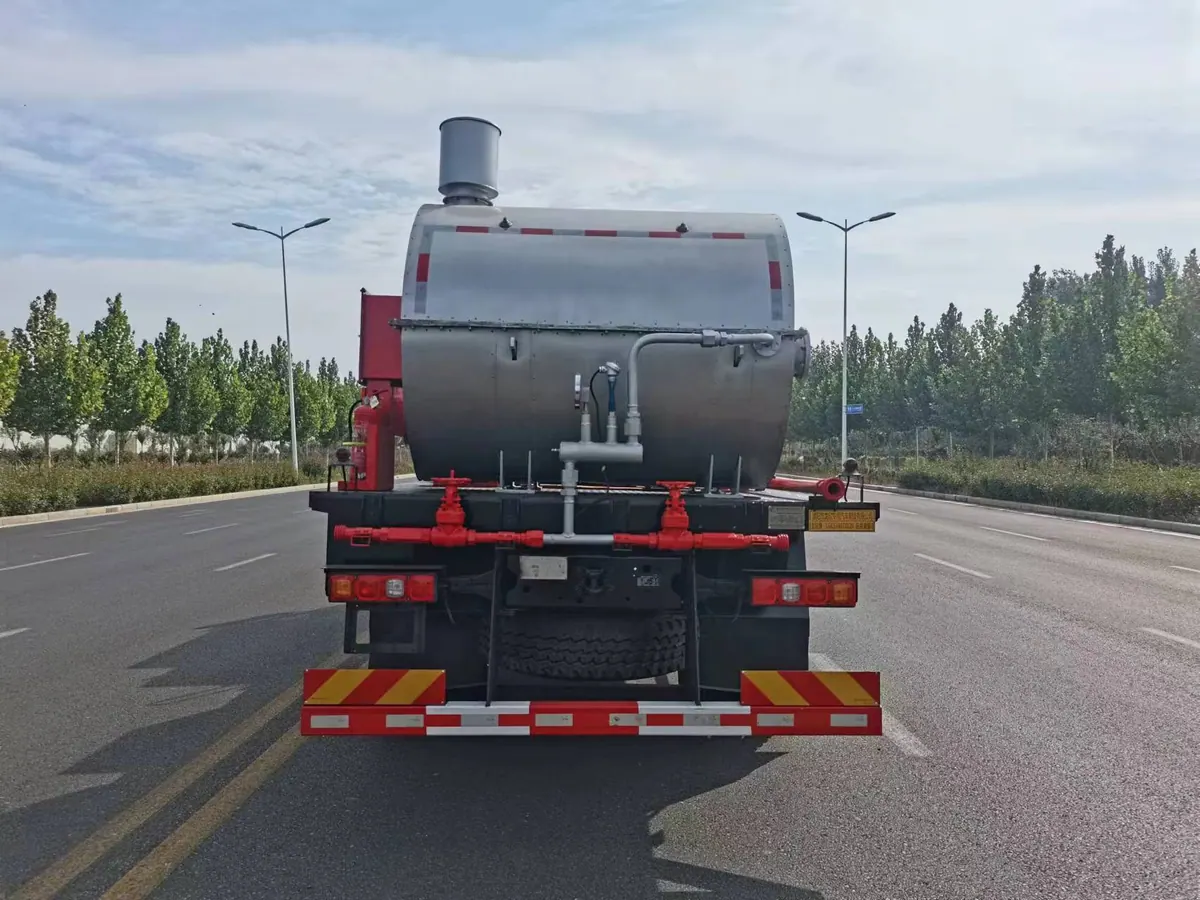
Review the changing inlet condition
Describe relevant startup, established circulation and returned-fluid cases for the supplier assessment. Ask which incoming conditions support the proposed output and what changes require review. The equipment may see a different supply condition as the assignment progresses. A favorable reference run should not become a universal heat-delivery promise for every fluid, ambient condition or recirculation arrangement considered by the purchaser.
Agree evidence for the installed selection
Request appropriate calculations, component information and configuration-specific demonstrations for the accepted scope. Identify measurement locations and distinguish factory evidence from site conditions that cannot be reproduced there. Retain the final heater, pump and fluid basis with the order. A visible hot outlet or successful cold-fluid pump run alone does not establish the complete thermal and hydraulic performance required by the wax-treatment assignment.
Compare useful duty before ranking nominal heating capacity
Have bidders answer the same fluid and circulation cases with rating boundaries, assumptions and exclusions stated. Include external distribution where the acceptance point requires it, or keep it explicitly outside the supplier performance claim. A larger burner may change other package requirements without resolving an omitted fluid or receiver interface. The accepted purchase should support an identifiable installed duty and a realistic verification plan, without inventing an efficiency percentage, combining incompatible maxima or promising wax removal from the heater outlet temperature alone.
Put these items side by side in the bid review
| Purchase item | Question to resolve | Evidence to request |
|---|---|---|
| Boundary | Input, heater output or delivered fluid duty? | Identified rating and conditions |
| Pairing | Which thermal and pump conditions occur together? | Accepted working-case response |
| Evidence | Where is the output substantiated? | Measurement and verification scope |
Suggested wording for the quotation request
Propose the heater and pump arrangement for the attached treating fluid, inlet conditions and circulation cases. State useful outlet duty and its acceptance location separately from burner input. Identify simultaneous pressure, rate and temperature capability, incoming-condition restrictions and external losses outside your scope. Provide configuration-specific evidence and distinguish an equipment demonstration from proof of wax-treatment results.
Select the wax-removal truck against an identified deposit, compatible treating fluid and an accepted circulation assignment. Review heater duty, delivered temperature, paired pump conditions, storage and the external return route together. Maximum component ratings and a wax appearance temperature do not establish a universal treatment recipe or prove cleaning effectiveness. Confirm the actual included equipment, measurement evidence and supplier responsibilities. Retain fluid information, configuration documents, operating limits and acceptance records with the purchase. Work at a well or flowline requires the responsible engineers, competent personnel and approved equipment and site procedures.
For the wider equipment scope, consult the Oilfield Wax Removal Truck: Specs and Sizing. Use the RFQ checklist to collect the supporting documents before requesting a configuration-specific quotation.
Buyer questions
Is burner input the same as useful fluid heating?
No. Ask which boundary and conditions support each capacity statement.
Can independent pump and temperature maxima form one accepted duty?
Only if the supplier supports that simultaneous condition for the proposed arrangement.
Background and supplier contact
SLB hot-oiling technical background offers related background, not certification of the equipment in a quotation. Applicability must be checked for the project and destination.
Explore the wax removal truck, browse all technical resources, or visit Vance Petroleum for company information. Request a wax-removal package proposal with deposit information, treating-fluid properties, circulation duty and the return arrangement.