Understand what the laboratory value describes
Obtain the test method and conditions together with the reported wax appearance temperature. The result relates to the tested fluid and its behavior under those conditions. Deposit removal can involve a different mixture and thermal history. Ask the responsible fluid specialist how the result should inform the treatment design rather than copying the number directly into the heater controller.
Locate the deposit and the heat-delivery boundary
Review the likely deposit location, tubing or flowline geometry and the path taken by the heated fluid. Surface heater temperature may differ from conditions at the deposit. Include heat loss and fluid mixing in the job assessment. Equipment temperature and pressure limits remain applicable regardless of the laboratory result.
Verify the treatment using more than temperature
Define the observations or measurements used to judge the job, such as the approved pressure-rate response and recovered material evidence. Keep the original sample and analysis traceable to the well. If deposits recur, compare operating conditions and new samples before increasing treatment severity. Recurrence may call for a broader paraffin-management review.
Evidence to collect for this decision
| Condition | Review action | Useful evidence |
|---|---|---|
| Laboratory WAT value | Retain method and sample context | Fluid-analysis report |
| Remote deposit location | Assess heat reaching the target | Thermal path and circulation basis |
| Rapid recurrence | Review changing fluid conditions | Post-treatment trend and deposit sample |
Keep these observations with the equipment reference and operating conditions. When comparing proposals or service findings, check that each record describes the same configuration and duty. Resolve missing inputs with the responsible engineer before treating an estimate as an accepted operating limit.
Review heat delivery together with operating limits
A thermal-duty statement should identify the incoming fluid condition, required outgoing condition, flow and duration. Define the point at which performance is accepted: heater outlet, receiving connection or another agreed location. Losses between those points belong in the engineering calculation. State the equipment and connection temperature limits independently from the desired process result, since a treatment objective does not change a component rating.
Compare startup with established operation and record any significant change in ambient conditions or incoming fluid. The responsible specialist should review the heat balance and the controls needed for the offered arrangement. Fuel, feedwater or circulating-liquid quality can affect suitability as well as capacity. If operation departs from the approved envelope, use the equipment procedure and investigate the cause. Increasing a setpoint without understanding a changed heat balance can obscure the problem and does not demonstrate useful heat at the intended destination.
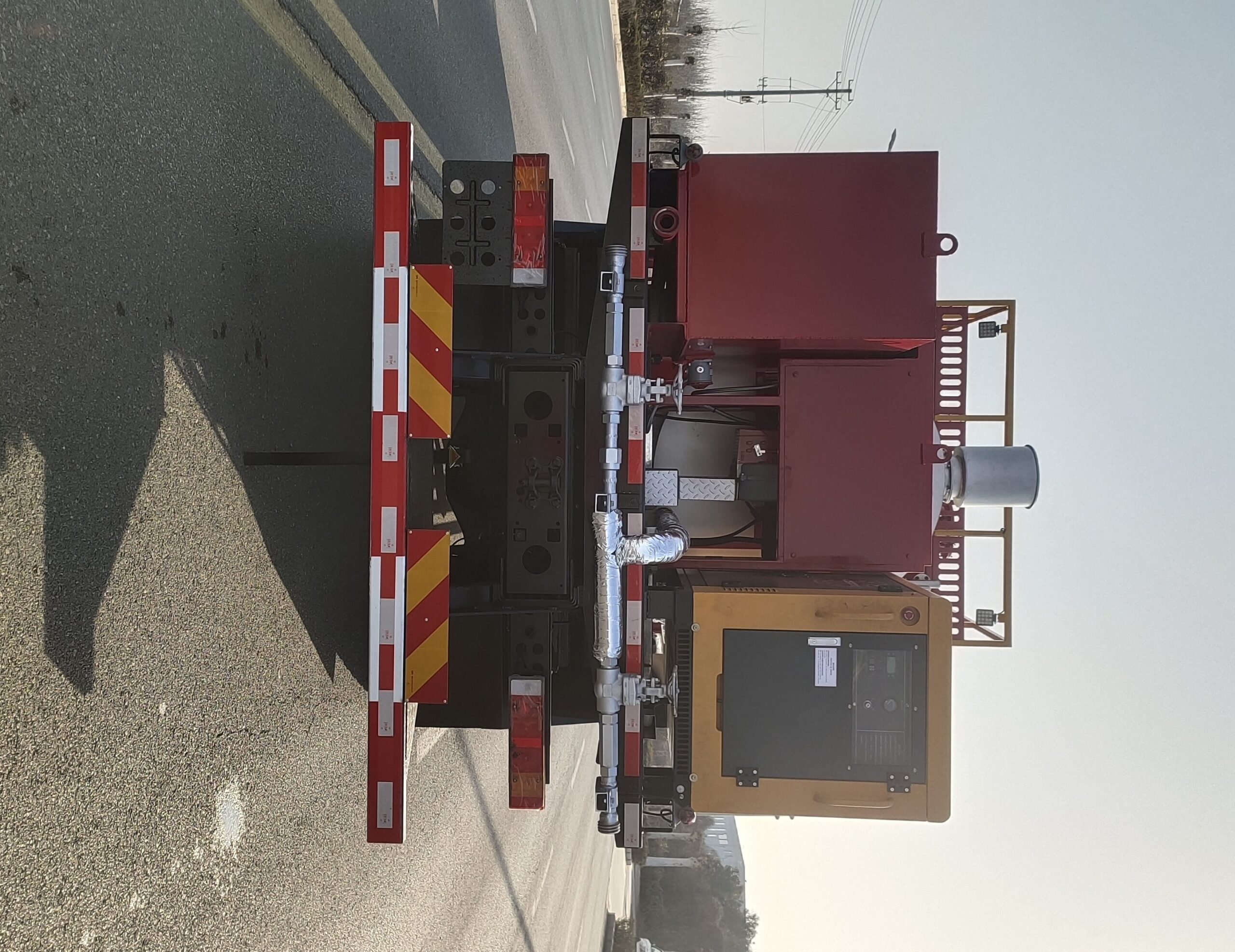
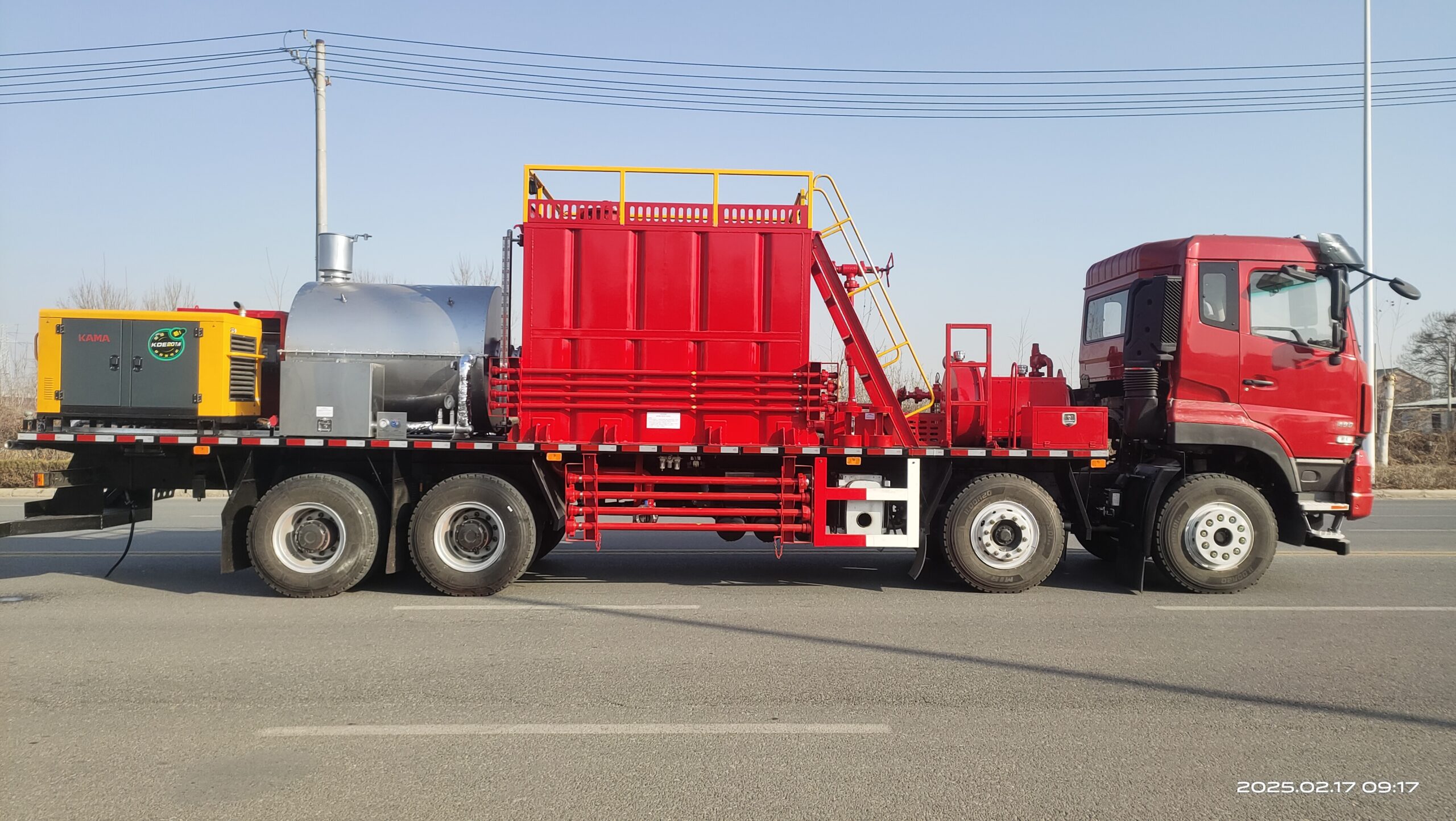
Apply the review to the offered oilfield wax removal truck
Use deposit and fluid evidence to define the thermal treatment, then assess delivery through the well or flowline. Wax behavior can vary with composition and operating history. Retain the treatment records and post-job observations needed to review recurrence without assuming a universal interval.
- Wax appearance temperature: record the project range and identify whether the value is measured, calculated or still provisional.
- Deposit severity: state the accepted limit and the equipment or process boundary to which it applies.
- Target circulation temperature: include variation through the job instead of relying only on the normal operating value.
- Pump pressure: identify the responsible supplier or site team and the evidence needed before acceptance.
- Fluid recovery plan: review the case that governs this requirement and retain its basis with the equipment records.
The complete package is intended for removing paraffin deposits from tubing, flowlines and surface equipment using controlled heat and circulation. Confirm the scope of the hot-oil heater, circulation pump, heated storage tank, temperature, pressure and flame safeguards against the selected duty. Use the specifications and sizing guide for the broader equipment requirements and the RFQ checklist to organize the supporting documents.
Questions about this equipment decision
Should the wax appearance temperature be used directly as the truck setpoint?
No. The treatment design must consider deposit behavior, heat delivery and the equipment limits, with the fluid specialist’s interpretation.
What information helps review this oilfield wax removal truck requirement?
Provide fluid-analysis report; thermal path and circulation basis; post-treatment trend and deposit sample, together with the installed equipment identification and the proposed operating conditions.
References and project support
Paraffin management methods provides additional background. For the equipment range and company information, visit Vance Petroleum. Share the relevant duty and records when requesting a project-specific review.