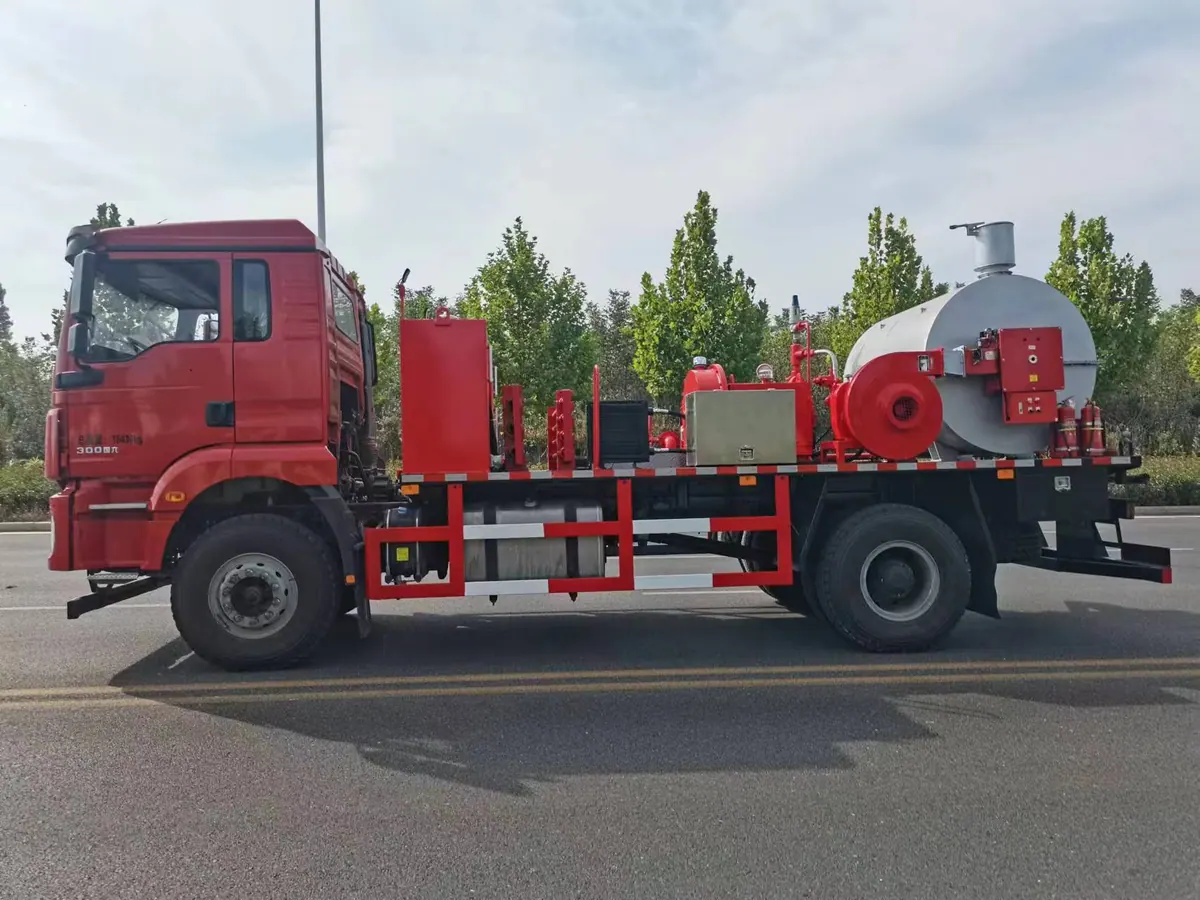
Identify which equipment the offer calls a coil
Ask the supplier to describe the actual heater and coil arrangement, its function and the supplied fluid boundary. Distinguish the heated fluid path from the burner and combustion equipment. A parts enquiry for a burner coil can refer to an unclear assembly. Request drawings and component identification so procurement compares the intended item rather than treating every coil-shaped component or catalogue description as interchangeable.
Provide the complete fluid and duty basis
Send the accepted treating-fluid information and relevant inlet, outlet, rate and pressure cases to the responsible supplier. Ask which conditions govern selection and what restrictions apply. Thermal duty and mechanical pressure suitability are separate checks that must agree for the proposed path. A heater capacity statement does not establish pressure capability, and a pressure rating does not prove useful heat delivery for every fluid or flow.
Request material and inspection evidence
Agree relevant material, fabrication, inspection and documentation requirements with the competent project reviewers. Ask the supplier to identify equipment and records covered by its response. Avoid a blanket claim of compliance based on an unspecified coil or reference model. Where independent inspection or destination-specific evidence is needed, confirm the actual scope and availability before including it as a standard contractual deliverable.
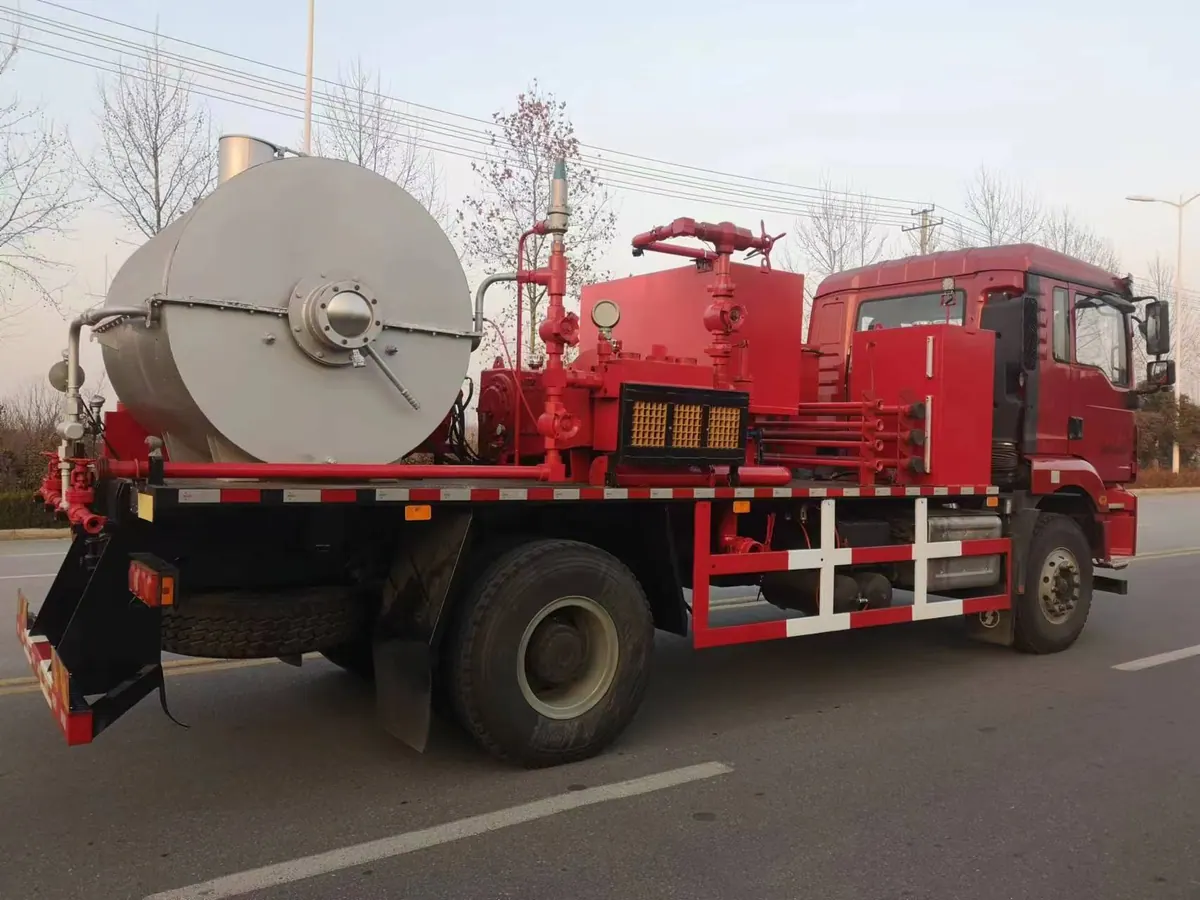
Review access and service implications
Ask how the installed arrangement provides the inspection, cleaning and maintenance access required by the supplied documents. Include relevant fluid contamination and expected service information in the selection review. A compact heater package may require external resources for some work. Do not assume that a coil can be substituted from a similar truck or cleaned by an improvised method without assessment of the actual equipment and service restrictions.
Preserve the accepted boundary through replacement
Keep the coil identity, drawings, operating basis and relevant records with the truck handover. Ask which substitutions or duty changes require renewed review. A replacement with a familiar dimension or connection can still alter thermal, pressure or installation requirements. The purchase should support an identifiable supplied assembly, not establish universal interchangeability or authorize extending the heated path beyond its accepted configuration.
Compare the installed heated path rather than a component nickname
Ask each bidder to connect the proposed coil or heater assembly to the selected fluid, thermal case, pressure boundary and verification evidence. Mark external connection equipment and purchaser responsibilities separately. This exposes a scope gap that a burner-input figure or photograph cannot resolve. The accepted agreement should show which equipment is supplied, what supports its service and how later changes are reviewed. It should not invent a universal coil material, inspection interval or pressure capacity, nor imply that a reference part proves the entire truck suitable for every wax-treatment assignment.
Put these items side by side in the bid review
| Purchase item | Question to resolve | Evidence to request |
|---|---|---|
| Identity | Which heated assembly is being supplied? | Tagged drawings and component list |
| Service | What thermal and pressure cases apply? | Accepted fluid-duty response |
| Evidence | What records cover the actual assembly? | Configuration-linked inspection scope |
Suggested wording for the quotation request
Identify the heater and coil assembly for the proposed wax-removal truck. Respond to the attached fluid, thermal and pressure cases with the actual supplied boundary, materials and installation information. List inspection documents, service access and external dependencies. Confirm substitutions and changes requiring review without assuming that a coil name, matching connection or burner rating establishes complete installed capability.
Select the wax-removal truck against an identified deposit, compatible treating fluid and an accepted circulation assignment. Review heater duty, delivered temperature, paired pump conditions, storage and the external return route together. Maximum component ratings and a wax appearance temperature do not establish a universal treatment recipe or prove cleaning effectiveness. Confirm the actual included equipment, measurement evidence and supplier responsibilities. Retain fluid information, configuration documents, operating limits and acceptance records with the purchase. Work at a well or flowline requires the responsible engineers, competent personnel and approved equipment and site procedures.
For the wider equipment scope, consult the Oilfield Wax Removal Truck Manufacturer Guide. Use the RFQ checklist to collect the supporting documents before requesting a configuration-specific quotation.
Buyer questions
Does coil pressure rating establish heating output?
No. Mechanical suitability and thermal duty require their own supporting assessment.
Can a similar-looking coil be treated as an accepted replacement?
No. Confirm identity, service, installation and verification requirements for the actual assembly.
Background and supplier contact
OSHA oil and gas extraction guidance offers related background, not certification of the equipment in a quotation. Applicability must be checked for the project and destination.
Explore the wax removal truck, browse all technical resources, or visit Vance Petroleum for company information. Request a wax-removal package proposal with deposit information, treating-fluid properties, circulation duty and the return arrangement.