Evaluate engineering evidence before marketing claims
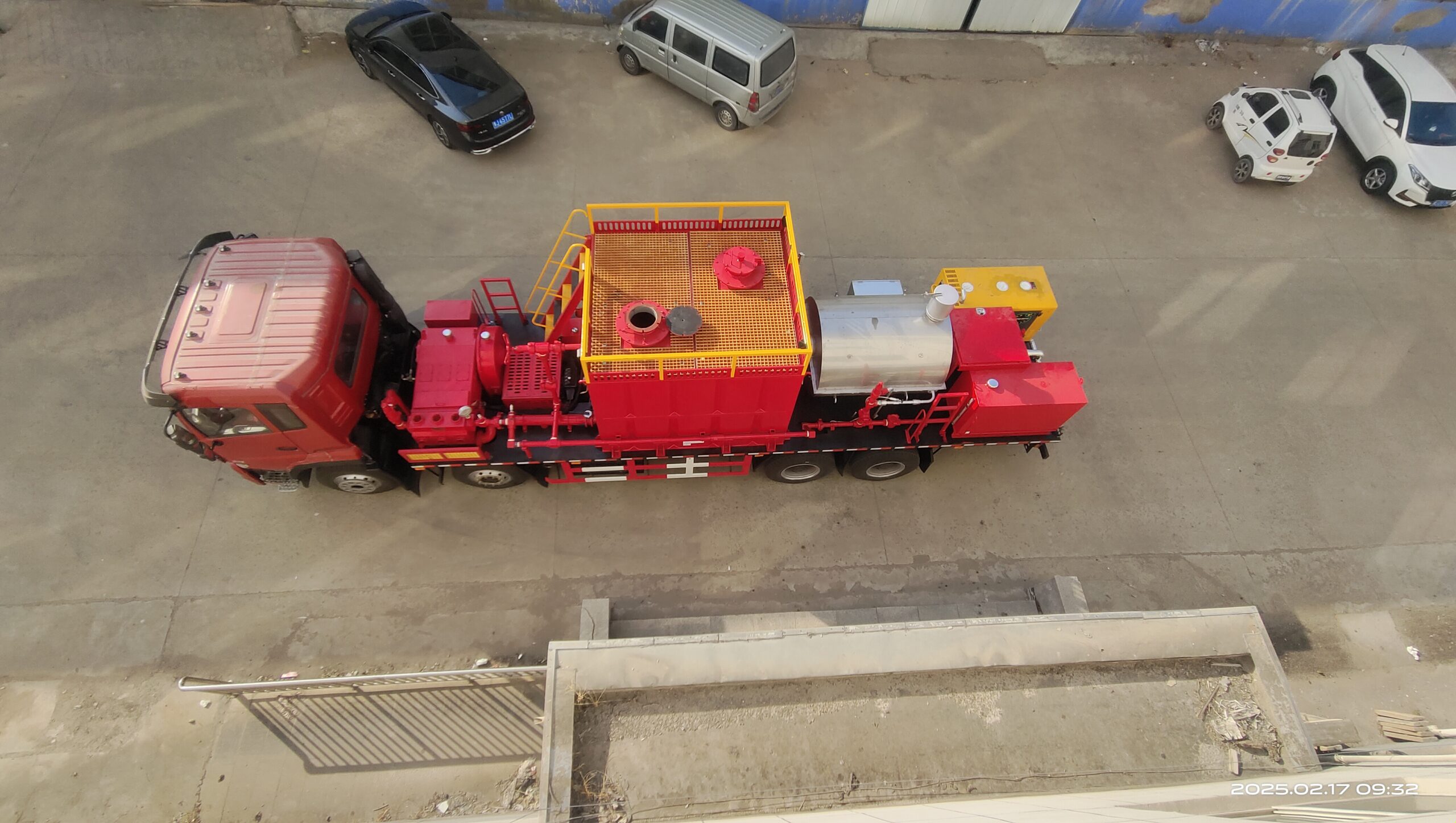
A capable oilfield wax removal truck manufacturer should turn your duty data into calculations, drawings, component selections and a clear list of assumptions. Ask the bidder to explain how the proposed package performs removing paraffin deposits from tubing, flowlines and surface equipment using controlled heat and circulation and how it is derated for the destination climate. Generic brochures are useful for orientation, but they are not a substitute for a project-specific technical proposal.
Review experience with comparable applications rather than counting unrelated installations. Useful references state the process duty, operating environment, delivery scope and year. Protect confidential end-user information, but request enough evidence to establish that the supplier understands the equipment and its interfaces.
Factory and quality-system checks
Design control
Check calculations, drawings, revisions and approval responsibilities.
Material traceability
Verify certificates, heat numbers and records for pressure-retaining or critical parts.
Assembly inspection
Use inspection checkpoints for alignment, cleanliness, torque and piping quality.
Functional testing
Agree no-load, load-simulation, alarm, shutdown and leak tests.
For the major assemblies—hot-oil heater, circulation pump, heated storage tank, temperature, pressure and flame safeguards—ask who manufactures each item, who owns the technical selection and how warranty support is coordinated. The integrator must remain accountable for the performance of the complete package.
Define the factory acceptance test in the purchase order
| FAT stage | Minimum coverage | Buyer action |
|---|---|---|
| Document review | Approved drawings, data sheets, certificates and software list | Before physical test |
| Mechanical inspection | Dimensions, access, guards, labels, piping and workmanship | Record punch items |
| Functional test | Start, stop, controls, alarms, interlocks and emergency shutdown | Witness critical sequences |
| Performance evidence | Pressure, flow, temperature, power or separation duty as applicable | State test method and tolerance |
If full-load testing is impractical at the factory, agree an alternative: component test certificates, calibrated simulation, partial-load testing and a site performance test. Acceptance criteria must be measurable, not phrases such as “runs normally.”
Documentation and support that reduce startup risk
- General arrangement, foundation and connection drawings
- Process, electrical, hydraulic and pneumatic schematics
- Operation, maintenance and troubleshooting manuals
- Parts list with manufacturer and model references
- Inspection records, calibration certificates and test reports
- Remote support, training, commissioning and warranty process
A reliable manufacturer discusses exclusions and unknowns early. Use a technical bid evaluation table to score compliance, deviations, evidence and lifecycle support before commercial negotiation.
Oilfield Wax Removal Truck project-specific engineering focus
The buyer should challenge any rating that lacks a test basis, allowable duration or environmental derating statement. A supplier review should ask for selection evidence for the hot-oil heater and circulation pump, manufacturing and inspection records for the heated storage tank, and a functional test that proves the temperature, pressure and flame safeguards. The proposal should state how wax appearance temperature and deposit severity were converted into component ratings.
Use the four intended duties as separate review cases: tubing dewaxing, flowline restoration, well restart and preventive hot-oil treatment. For each case, record the starting condition, target output, operating duration, expected variation and shutdown condition. This exposes whether a shared configuration is genuinely suitable or whether a different control range, material, auxiliary system or connection set is needed.
hot-oil heater with circulation pump
Review their operating envelopes together. Capacity on one side is not useful if the connected subsystem cannot supply, transmit or control the same duty.
heated storage tank with temperature, pressure and flame safeguards
Define monitoring, protection, calibration and maintenance access as part of the package acceptance criteria rather than optional details.
The RFQ should therefore carry a project data sheet, interface drawing and deviation schedule. That combination gives the manufacturer enough information to explain the design and gives the buyer a consistent basis for technical evaluation, factory testing and later commissioning.
For broader industry context, consult OSHA oil and gas extraction safety guidance. Project requirements and applicable codes must still be confirmed for the destination country and end user.
Frequently asked questions
What should a qualified oilfield wax removal truck manufacturer provide?
Expect project calculations, drawings, component data, a deviation list, quality records, an agreed factory test and complete operation and maintenance documents.
Is a factory acceptance test necessary?
Yes. The FAT verifies workmanship, controls, alarms and agreed performance evidence before shipping, when corrections are easier and less expensive.