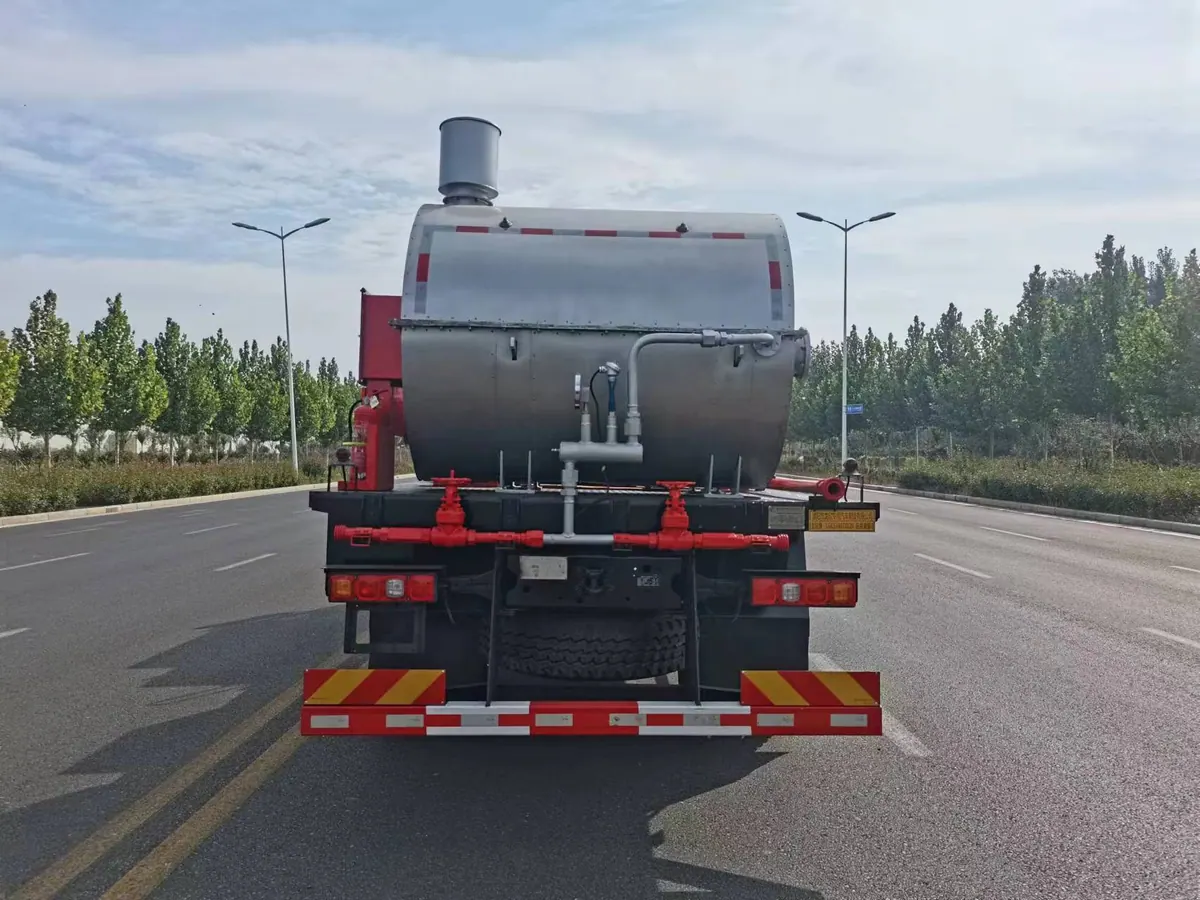
Identify the material and path being reviewed
Provide available evidence of wax, other debris and the relevant fluid condition to the responsible suppliers. State where a proposed strainer sits in the accepted arrangement. A device on a cold return path may see a different mixture from one on the original supply. Do not compare nominal mesh descriptions without identifying the actual purpose, stream and location for each proposal.
Separate debris interception from fluid acceptance
Ask what the proposed equipment can address and which limitations remain. A strainer does not establish that dissolved material, changing fluid composition or every fine contaminant has been removed. Keep the criteria for heater and pump supply separate from a general filtered-fluid label. Where external separation or conditioning is required, identify its provider and acceptance boundary rather than assume it is standard equipment inside the truck.
Review changes during the assignment
Have the relevant team assess the expected variation in wax and debris and how it affects the proposed arrangement. Ask what indications, access and other equipment are included to support the accepted duty. A clean demonstration does not establish behavior throughout a changing return stream. Procurement should request a supported configuration and restrictions, not invent a universal element size, allowable loading or bypass practice for every wax-treatment case.
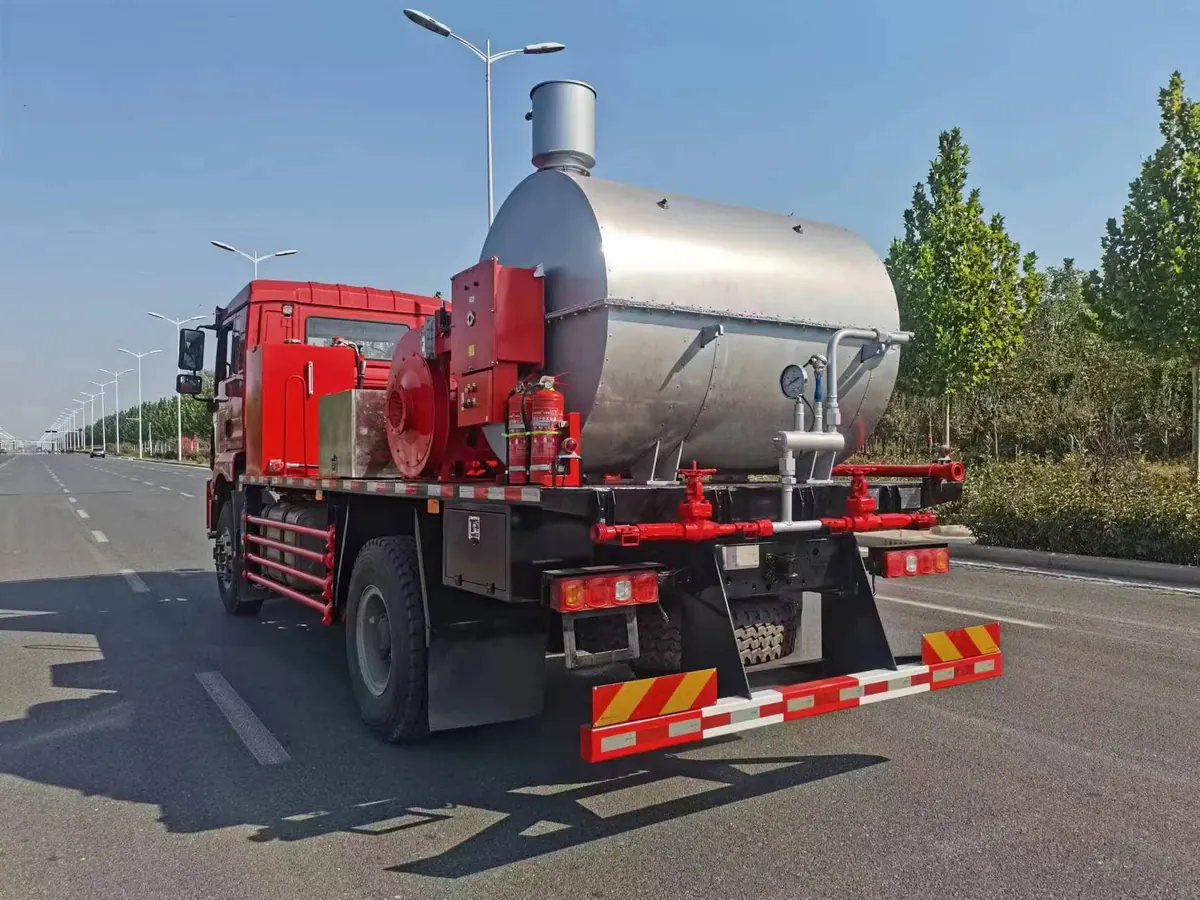
Include service and collection responsibilities
Request the installed access and equipment information required by the supplier maintenance documents. Identify who handles retained material and provides the accepted collection or disposal route. A removable element does not automatically mean convenient or unrestricted field service. Keep isolation and safe-work requirements within approved procedures, with any specialist resources and external equipment visible in the commercial scope.
Connect verification to the actual supplied function
Agree which inspection and functional evidence supports the proposed device and its interfaces. Distinguish physical fit, indication checks and any process assessment for the real stream. Retain the actual equipment identity and restrictions with the truck order. A later element or connection substitution should be reviewed rather than accepted because it looks similar or appears to increase nominal flow capacity.
Compare the supported function instead of buying a finer label
Ask each bidder to identify the stream, location, intended interception duty and remaining fluid requirements. Include service access and retained-material handling in the comparison. A finer element or larger housing is not automatically the appropriate choice when the actual material and fluid state are undefined. The accepted offer should describe an identifiable device and its role within the broader circulation arrangement, without claiming that filtration prevents all wax deposition, guarantees pump-feed quality or makes every captured return suitable for direct reuse in the heated treatment path.
Put these items side by side in the bid review
| Purchase item | Question to resolve | Evidence to request |
|---|---|---|
| Duty | What material and stream reach the device? | Accepted location and fluid basis |
| Function | What remains outside interception scope? | Supplier limitations and external services |
| Service | Who manages retained material? | Access and handling responsibility schedule |
Suggested wording for the quotation request
Assess the proposed strainer or interception equipment for the attached wax, debris and fluid-path information. Identify its location, supplied function, limitations, indications and installed service access. Separate external conditioning and retained-material handling. Provide relevant verification evidence and approved substitution requirements without treating a mesh label or clean-fluid test as proof of complete wax control or pump-feed acceptance.
Select the wax-removal truck against an identified deposit, compatible treating fluid and an accepted circulation assignment. Review heater duty, delivered temperature, paired pump conditions, storage and the external return route together. Maximum component ratings and a wax appearance temperature do not establish a universal treatment recipe or prove cleaning effectiveness. Confirm the actual included equipment, measurement evidence and supplier responsibilities. Retain fluid information, configuration documents, operating limits and acceptance records with the purchase. Work at a well or flowline requires the responsible engineers, competent personnel and approved equipment and site procedures.
For the wider equipment scope, consult the Oilfield Wax Removal Truck: Maintenance Guide. Use the RFQ checklist to collect the supporting documents before requesting a configuration-specific quotation.
Buyer questions
Does a return strainer guarantee reusable treatment fluid?
No. The actual fluid and equipment acceptance criteria remain separate.
Is a finer element always the appropriate purchase?
No. Selection must address the actual stream, function, restrictions and service requirements.
Background and supplier contact
SLB hot-oiling technical background offers related background, not certification of the equipment in a quotation. Applicability must be checked for the project and destination.
Explore the wax removal truck, browse all technical resources, or visit Vance Petroleum for company information. Request a wax-removal package proposal with deposit information, treating-fluid properties, circulation duty and the return arrangement.