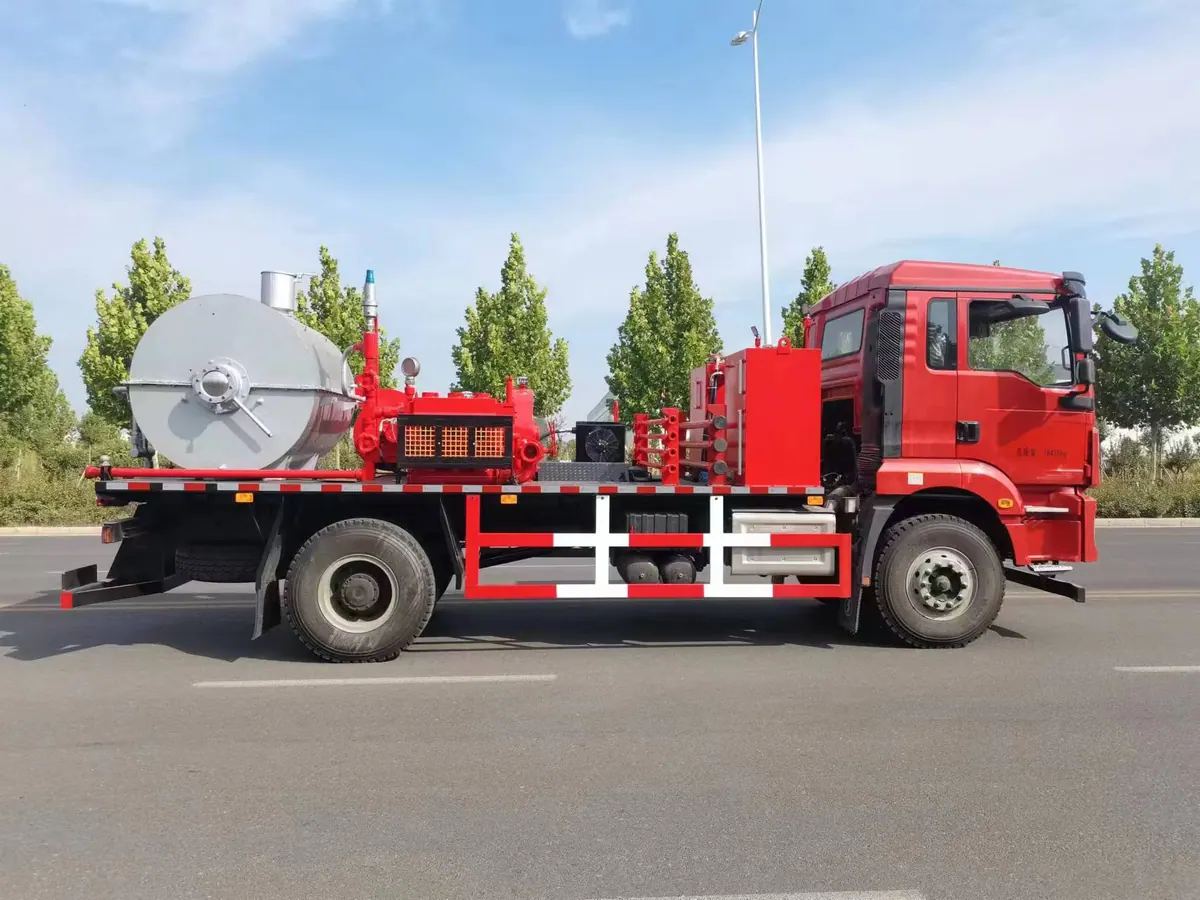
Obtain the accepted well-program basis
Have the responsible well-integrity and operations teams define the proposed assignment and circulation interfaces. Provide the information they approve for supplier review, including relevant equipment boundaries and restrictions. The truck supplier should not infer a route from the domain name, treatment objective or a generic well sketch. Procurement needs an accepted basis for equipment selection, not an article that prescribes how to connect or operate a particular well.
Identify geometry and external equipment
Ask which completion and connection information the relevant providers need to assess the actual arrangement. Identify externally supplied wellhead, pressure-control, handling and connection equipment separately. A nominal truck pressure or a hose-end description does not establish suitability of the complete well interface. Keep the responsible supplier and purchaser reviews linked to the actual equipment identities rather than assume a connection used on another well is automatically acceptable.
Connect the route to the truck duty response
Provide the selected fluid and governing pressure, rate and temperature conditions for the bidder assessment. Ask which supplied heater, pump and connections support the accepted boundary. The equipment response should state its limitations and dependencies. A pump maximum does not authorize changing the well program, and a higher heater rating cannot resolve missing information about allowable well or completion conditions.
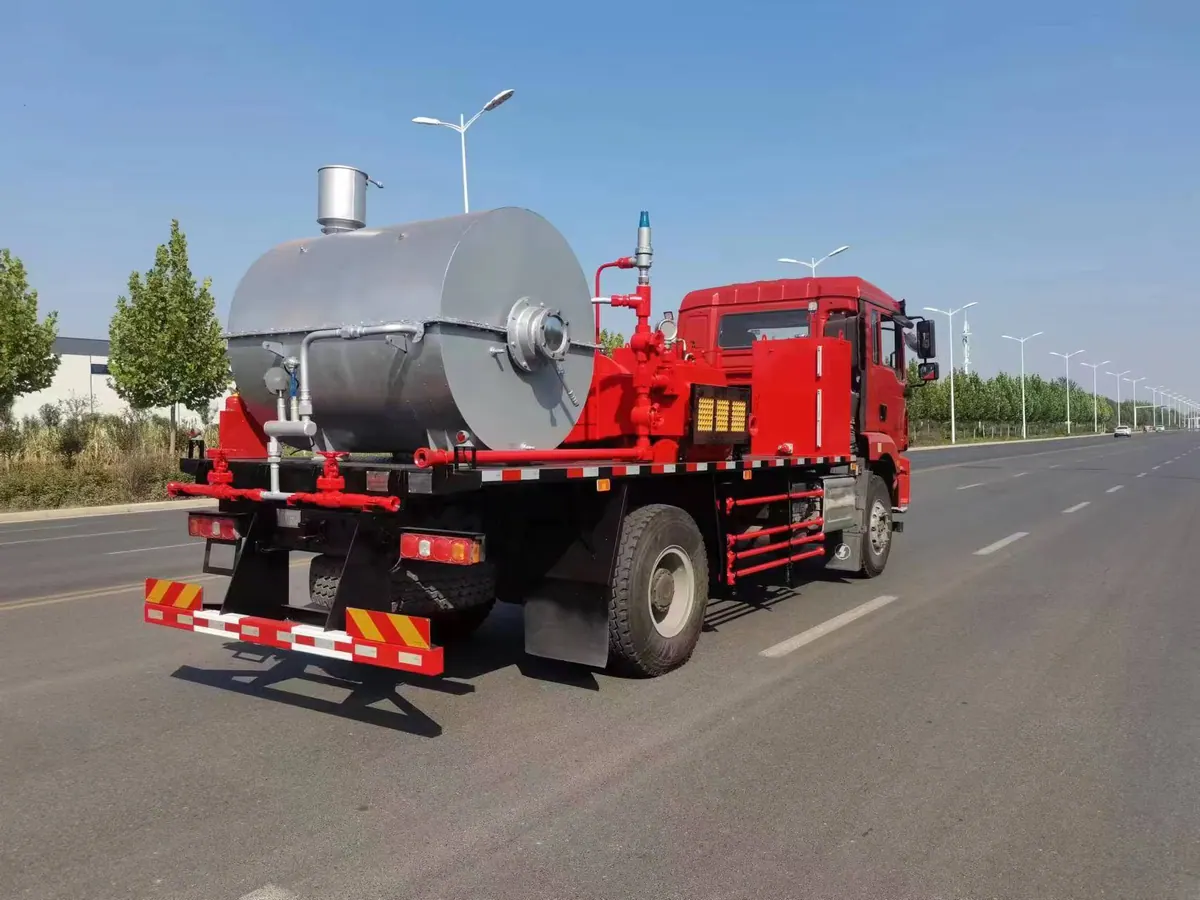
Define where returns are accepted
Identify the agreed return connection and destination through the responsible site team. Ask who supplies collection, indication and any necessary external handling. A defined supply interface without an accepted return path leaves the circulation assignment incomplete. Keep fluid recovery and well-control responsibilities visible rather than assuming they are included in the truck or can be improvised after arrival.
Preserve interface changes through the order
Record the accepted drawings, equipment schedule and responsible approvals with the purchase. Ask what requires reassessment when the completion, route or external provider changes. Distinguish factory truck checks from acceptance of wellsite equipment that was not present. The final agreement should describe the supplied functions and remaining site reviews without implying that the vehicle specification alone authorizes intervention through every tubing or annulus arrangement.
Compare supplier responses without transferring well responsibility
Ask bidders to identify their actual equipment boundaries against the same approved interface information. Reconcile exclusions before assigning a complete package price or readiness expectation. The purchaser should retain competent review of the well and external pressure equipment rather than accept a universal compatible-with-all-wells statement. A useful offer explains supported duty, provided connections and verification scope. It does not prescribe a circulation route, promise a fixed treatment reach or treat a familiar nominal connection as evidence that every combined wellsite arrangement is accepted.
Put these items side by side in the bid review
| Purchase item | Question to resolve | Evidence to request |
|---|---|---|
| Program | Which interfaces are accepted for the assignment? | Approved project information |
| Supply | What external well equipment is required? | Named responsibility schedule |
| Returns | Where is recovered fluid received? | Accepted destination and connection boundary |
Suggested wording for the quotation request
Assess the wax-removal truck against the attached approved well-interface information and treating-fluid duty. State supported heated pumping conditions, supplied connections, restrictions and external equipment requirements. Identify return-handling and verification responsibilities separately. Flag missing inputs and changes requiring review without choosing a well circulation route or treating truck ratings as authorization to use an unaccepted wellsite arrangement.
Select the wax-removal truck against an identified deposit, compatible treating fluid and an accepted circulation assignment. Review heater duty, delivered temperature, paired pump conditions, storage and the external return route together. Maximum component ratings and a wax appearance temperature do not establish a universal treatment recipe or prove cleaning effectiveness. Confirm the actual included equipment, measurement evidence and supplier responsibilities. Retain fluid information, configuration documents, operating limits and acceptance records with the purchase. Work at a well or flowline requires the responsible engineers, competent personnel and approved equipment and site procedures.
For the wider equipment scope, consult the Oilfield Wax Removal Truck: Pre-Job Checklist. Use the RFQ checklist to collect the supporting documents before requesting a configuration-specific quotation.
Buyer questions
Does the truck supplier alone select tubing or annulus circulation?
No. The responsible well team must establish the accepted program and interfaces.
Does a truck pressure rating approve the complete well connection?
No. Review the actual external equipment and governing project requirements separately.
Background and supplier contact
OSHA oil and gas extraction guidance offers related background, not certification of the equipment in a quotation. Applicability must be checked for the project and destination.
Explore the wax removal truck, browse all technical resources, or visit Vance Petroleum for company information. Request a wax-removal package proposal with deposit information, treating-fluid properties, circulation duty and the return arrangement.