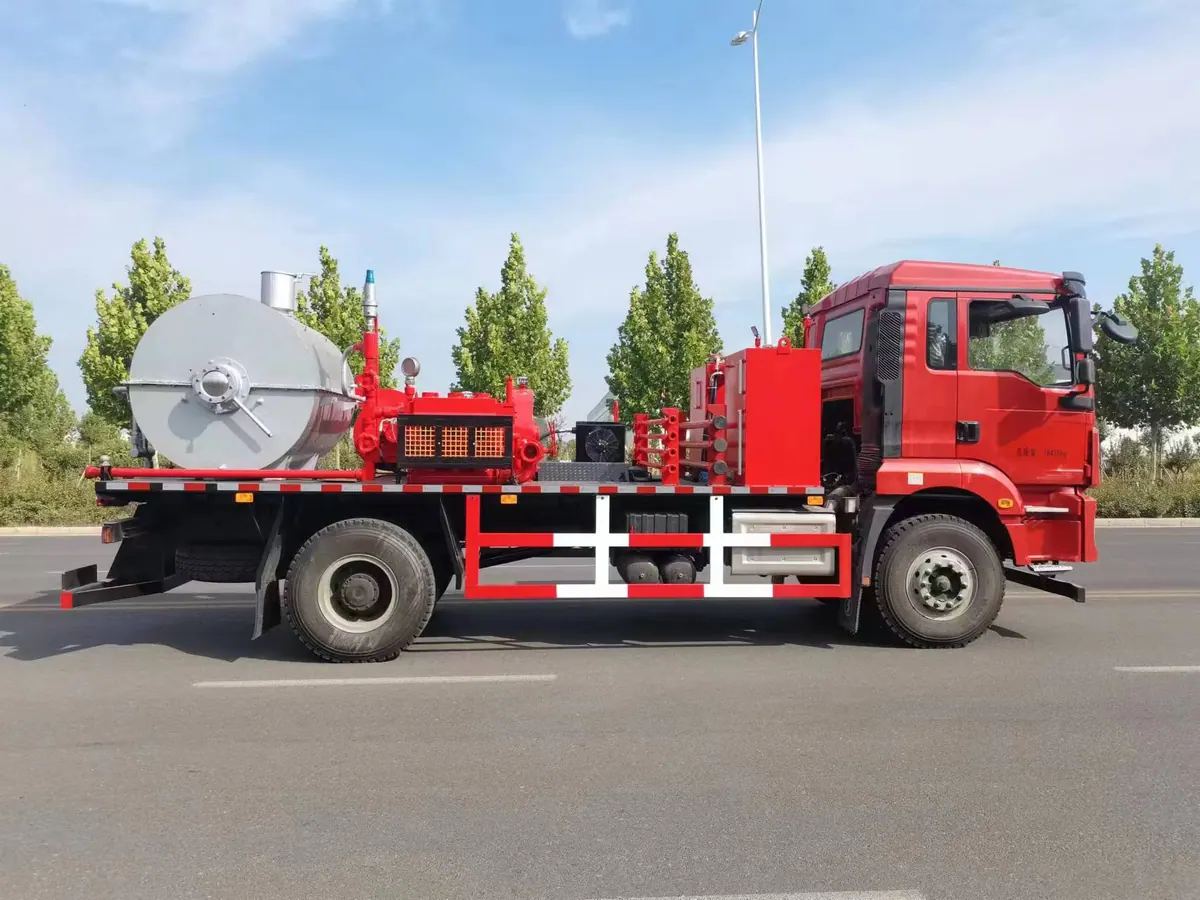
Describe the expected recovered stream
Provide available information about treating fluid, wax, water and other material expected in the returns. Identify uncertainty and changes through the assignment. Ask the responsible specialists which properties matter for collection and any later handling. A truck supplier should not assume that the recovered mixture matches the original clean treating fluid or that every return can enter the same onboard storage arrangement.
Include cooling behavior in the review
Have the fluid and process team assess the relevant changes as the recovered mixture moves or waits outside the heated path. Ask what evidence and accepted limits support the receiving arrangement. A hot return at one point does not establish that wax remains dispersed or the liquid remains suitable throughout an undefined collection period. Keep any required handling provisions tied to the actual stream rather than a universal temperature or storage-time prescription.
Identify the receiving equipment and boundary
Ask who supplies and accepts the collection vessel, connections and any conditioning or other external services. State which functions are included on the truck and which remain site responsibilities. The vehicle can be an accepted heating and pumping package without supplying complete recovery equipment. Keep the receiver operating limits and available capacity visible so a proposal is not ranked as self-contained while its return destination remains unowned.
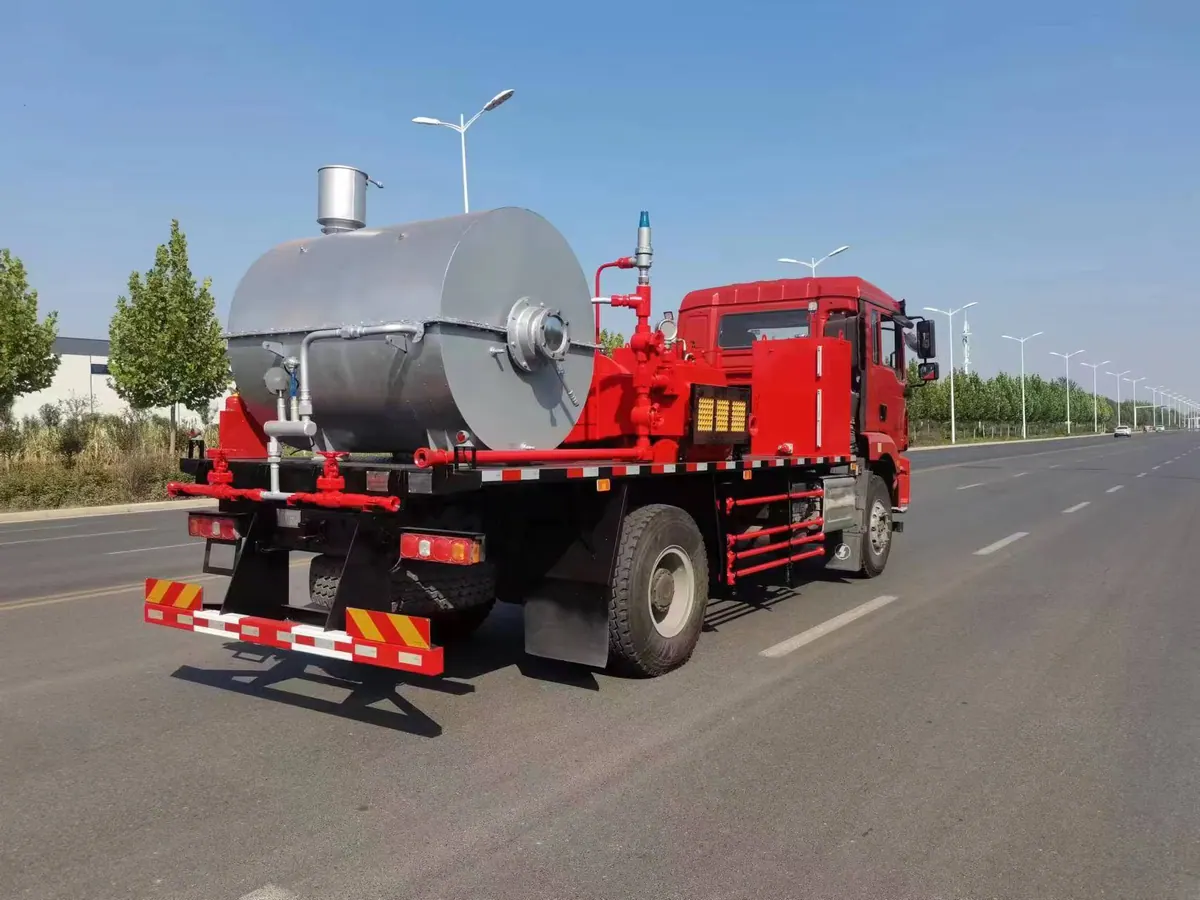
Separate collection from approval for reuse
Request a distinct assessment before recovered fluid is returned to the pump supply or treatment inventory. Identify composition, condition and equipment criteria through the relevant providers. Capturing a stream does not establish its suitability for immediate recirculation. The accepted purchase should describe the actual interfaces and restrictions without suggesting that a tank or strainer automatically restores the mixture to the properties used for original equipment selection.
Retain the changing conditions with job evidence
Agree which relevant observations and records support review of the return-handling arrangement. Identify responsibility for responding to changed conditions under approved documents. If the actual mixture or receiver differs from the accepted basis, obtain the appropriate technical review. Procurement should preserve an identifiable boundary and available evidence, not turn a nominal collection volume into a guarantee against cooling, blockage or unreviewed reuse.
Compare the entire return destination before awarding the truck
Ask bidders to identify their supplied return interfaces and any assumed external equipment. Reconcile these responses with the purchaser plan for the actual recovered stream. A lower truck price may be legitimate but leave more site work to arrange. Keep that difference explicit. The accepted package should connect the heating and circulation duty to a reviewed destination without promising that recovered wax stays mobile indefinitely, that every mixture can be reheated safely in the same path or that collection itself authorizes discharge, disposal or reuse.
Put these items side by side in the bid review
| Purchase item | Question to resolve | Evidence to request |
|---|---|---|
| Stream | What changes in the recovered mixture? | Fluid and deposit information |
| Receiver | Who accepts the actual return conditions? | Named equipment and supply boundary |
| Reuse | What review precedes recirculation? | Separate fluid and equipment criteria |
Suggested wording for the quotation request
State the return-handling boundary for the attached wax-removal assignment and recovered-fluid information. Identify onboard interfaces, external collection equipment, cooling-condition assumptions and responsible providers. Separate collection from approval for reuse or disposal and propose relevant records. Disclose receiver restrictions and changing-stream information needed before treating the return arrangement as part of an accepted complete package.
Select the wax-removal truck against an identified deposit, compatible treating fluid and an accepted circulation assignment. Review heater duty, delivered temperature, paired pump conditions, storage and the external return route together. Maximum component ratings and a wax appearance temperature do not establish a universal treatment recipe or prove cleaning effectiveness. Confirm the actual included equipment, measurement evidence and supplier responsibilities. Retain fluid information, configuration documents, operating limits and acceptance records with the purchase. Work at a well or flowline requires the responsible engineers, competent personnel and approved equipment and site procedures.
For the wider equipment scope, consult the Oilfield Wax Removal Truck: Utility Planning. Use the RFQ checklist to collect the supporting documents before requesting a configuration-specific quotation.
Buyer questions
Does collection establish that recovered fluid is ready for reuse?
No. Review the actual mixture and receiving-equipment requirements separately.
Can a hot return reading guarantee later storage behavior?
No. Assess the relevant cooling and holding conditions for the actual stream.
Background and supplier contact
SLB hot-oiling technical background offers related background, not certification of the equipment in a quotation. Applicability must be checked for the project and destination.
Explore the wax removal truck, browse all technical resources, or visit Vance Petroleum for company information. Request a wax-removal package proposal with deposit information, treating-fluid properties, circulation duty and the return arrangement.