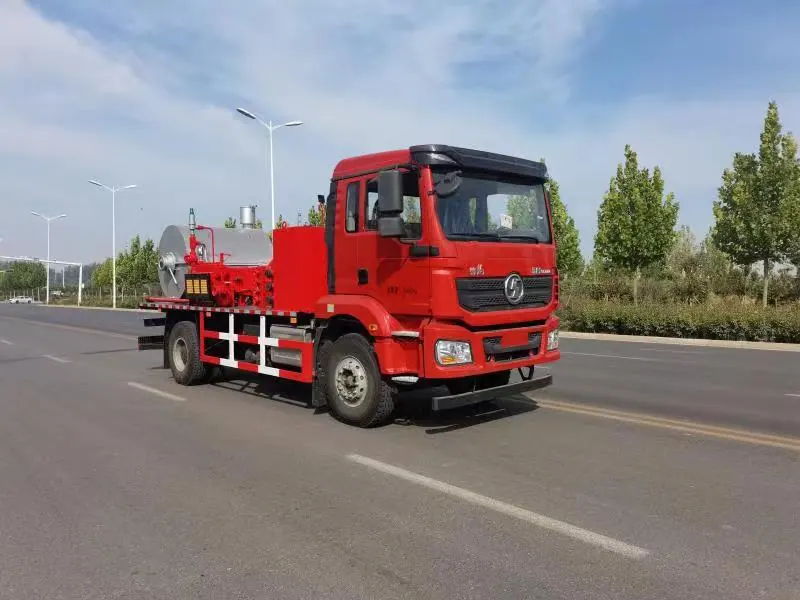
Assign a role to each proposed tank
Request an equipment and fluid-path schedule identifying the function of every included tank. Separate accepted treating-fluid supply from receiving or other duties. A photograph can show a vessel without proving its actual role, active heating or intended contents. Keep optional functions and purchaser-provided equipment visible so the term integrated tank does not substitute for an accepted arrangement.
Define inventory for the accepted assignment
Provide the selected fluid, relevant circulation cases and external supply information to the supplier. Ask what quantity is usable under the actual equipment documents and what assumptions support any campaign estimate. Nominal geometric volume is not automatically the available treating inventory. A larger tank should not be interpreted as a guarantee of a fixed number of wells, treatment duration or independence from replenishment and external receiving equipment.
Keep returns separate until accepted
Ask whether recovered fluid is intended to enter a supplied tank and what conditions support that function. Identify changes in wax, water or other constituents with the responsible reviewers. A tank used for clean supply is not automatically an accepted receiver for every return stream. Keep any required segregation or external conditioning in the scope rather than assume a larger shared volume resolves compatibility and reuse questions.
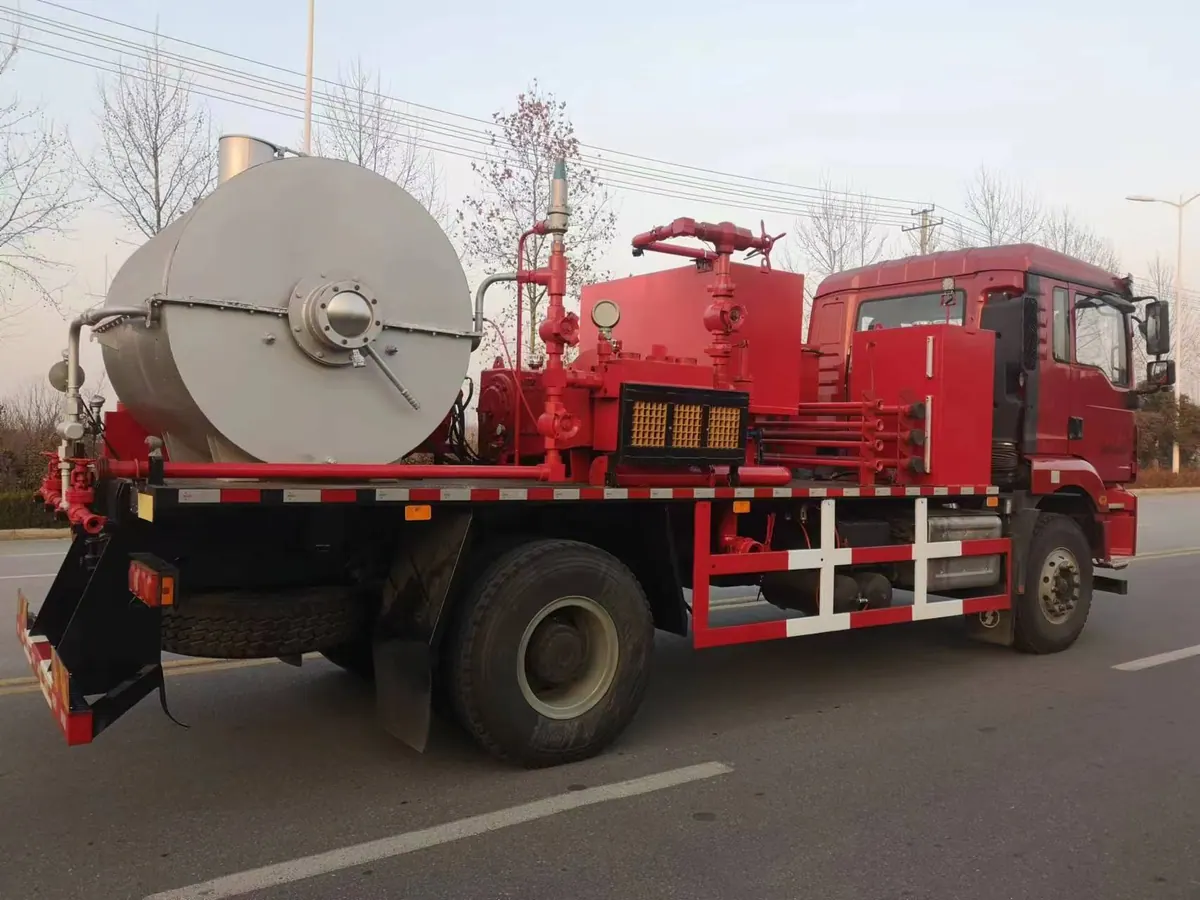
Review vehicle and access implications
Have the responsible integrator and carrier provider assess the actual installed arrangement and travel and working contents. Include relevant accessories and external connection equipment. Tank volume alone does not establish permissible road load or acceptable distribution. The purchaser should receive configuration-specific information and restrictions rather than assume every tank can travel full or that unused space supports later storage additions without review.
Preserve the arrangement through handover
Retain the accepted tank roles, fluid identities, equipment documents and relevant vehicle information with the order. Ask which changes require assessment of compatibility, heating, supply or loading. A later tank or connection substitution can affect more than nominal volume. The final agreement should identify supported functions and external dependencies instead of relying on a reference truck whose equipment and contents may differ from the ordered configuration.
Compare usable supply and receiving responsibilities together
Have each bidder identify included tanks and the conditions used for inventory statements. Reconcile those responses with the actual treating-fluid and return plan before comparing prices. More onboard volume may be useful, but its role and vehicle implications must be clear. The accepted purchase should show what fluid can be held where, what remains external and how the arrangement is supported. It should not imply that a common tank guarantees segregation, active heating, immediate return reuse or treatment autonomy merely because a catalogue lists a large storage capacity.
Put these items side by side in the bid review
| Purchase item | Question to resolve | Evidence to request |
|---|---|---|
| Roles | Supply, preparation or recovered-fluid collection? | Accepted tank and path schedule |
| Inventory | Which contents are usable for the assignment? | Supplier basis and restrictions |
| Vehicle | Which loaded states are assessed? | Configuration-specific carrier information |
Suggested wording for the quotation request
Identify the proposed tank roles and fluid paths for the wax-removal truck. State nominal and usable inventory assumptions, accepted contents, return boundaries and external supply or conditioning needs. Provide relevant vehicle loading and access information and review requirements for later changes. Keep supply, heating and receiving functions separate rather than treating total tank volume as guaranteed treatment autonomy or universal recovered-fluid storage.
Select the wax-removal truck against an identified deposit, compatible treating fluid and an accepted circulation assignment. Review heater duty, delivered temperature, paired pump conditions, storage and the external return route together. Maximum component ratings and a wax appearance temperature do not establish a universal treatment recipe or prove cleaning effectiveness. Confirm the actual included equipment, measurement evidence and supplier responsibilities. Retain fluid information, configuration documents, operating limits and acceptance records with the purchase. Work at a well or flowline requires the responsible engineers, competent personnel and approved equipment and site procedures.
For the wider equipment scope, consult the Oilfield Wax Removal Truck: Utility Planning. Use the RFQ checklist to collect the supporting documents before requesting a configuration-specific quotation.
Buyer questions
Does an onboard tank necessarily accept treatment returns?
No. Confirm its actual role, fluid limits and accepted receiving boundary.
Can every tank be assumed full during road transport?
No. Obtain the reviewed travel condition and relevant vehicle information.
Background and supplier contact
OSHA oil and gas extraction guidance offers related background, not certification of the equipment in a quotation. Applicability must be checked for the project and destination.
Explore the wax removal truck, browse all technical resources, or visit Vance Petroleum for company information. Request a wax-removal package proposal with deposit information, treating-fluid properties, circulation duty and the return arrangement.