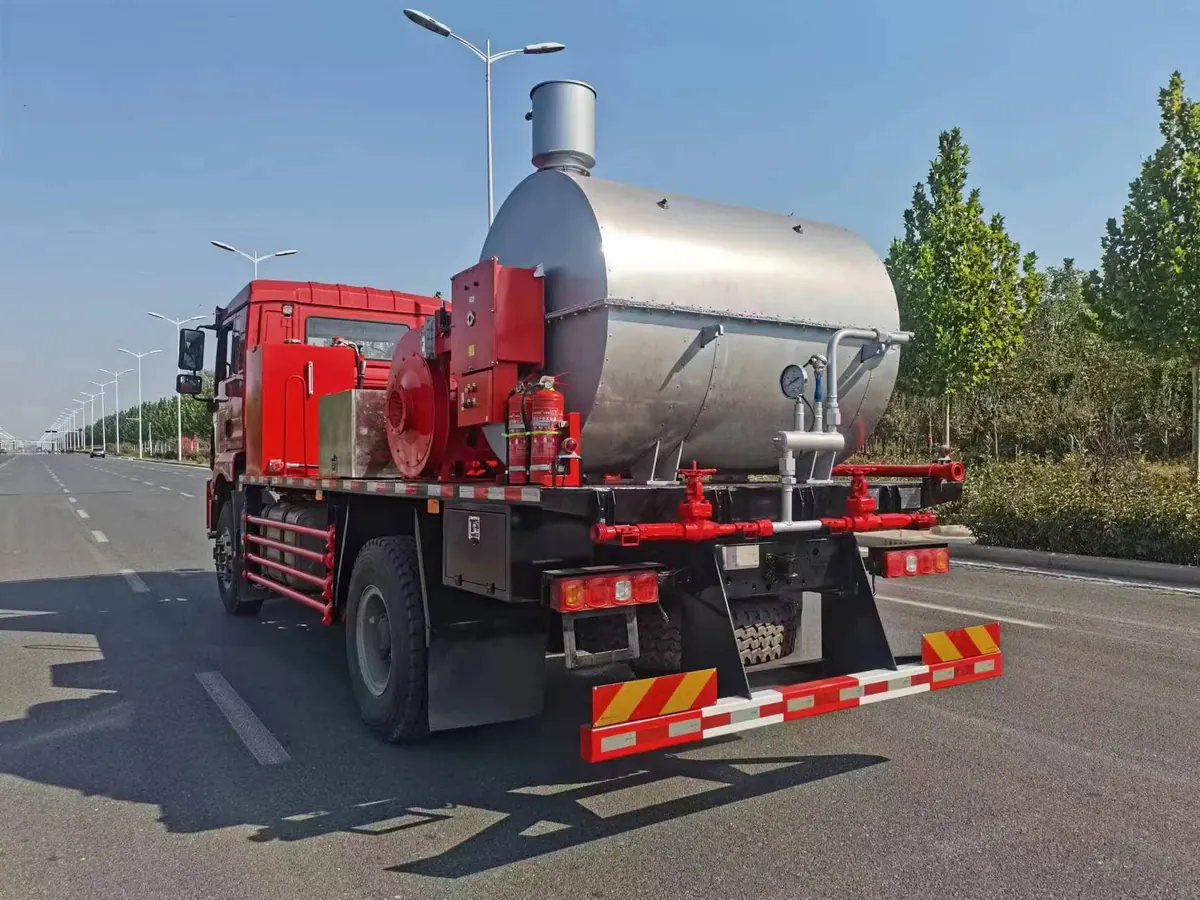
Describe the interruptions relevant to the assignment
Have the project team identify expected working pauses, utility dependencies and other cases relevant to equipment selection. Distinguish normal planned standby from abnormal conditions governed by the approved response. The supplier needs this information to explain supported functions and limitations. A continuous duty statement should not be treated as proof that every stop, cooling period or resumption of circulation is already accepted for the chosen fluid and arrangement.
Identify retained fluid and equipment boundaries
Ask what fluid remains in the proposed supplied path under the accepted cases and what information is needed for review. Distinguish onboard storage from the heater, connections and external circuit. A warm tank does not establish the condition of every connected volume. Keep the actual arrangement and provider responsibilities identifiable rather than treating the whole mobile package as one uniform temperature or fluid state.
Review changed conditions with the responsible suppliers
Provide the relevant treating-fluid information and any expected variation to the equipment and treatment reviewers. Ask which restrictions and documents govern the proposed standby or interrupted cases. Do not infer a universal safe waiting time or heating method. Procurement should obtain a configuration-specific response without prescribing a restart sequence or suggesting that increasing a setpoint resolves every cooled or changed-fluid condition.
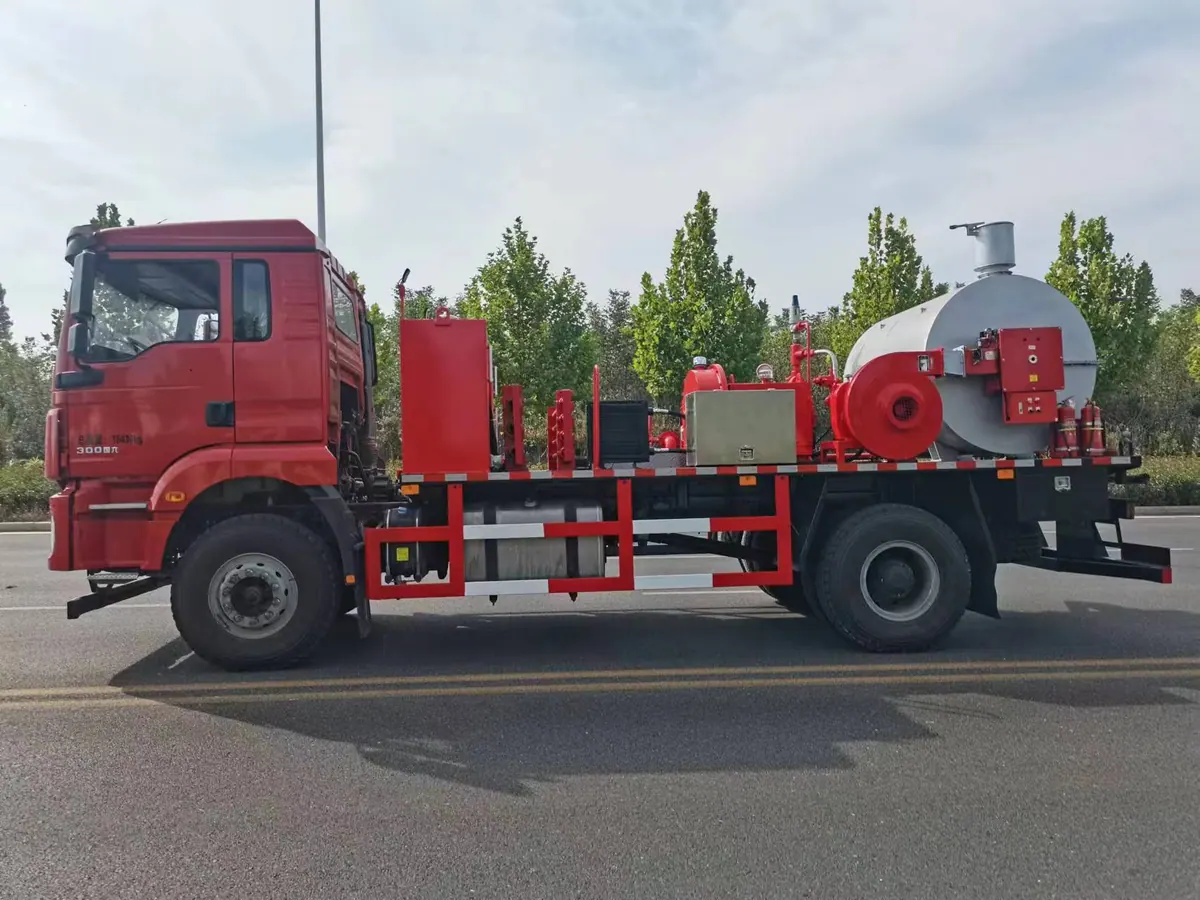
Confirm supplied indications and controls
Identify the actual functions available to the operator and how they relate to the accepted equipment documents. Ask which relevant observations or signals are external to the truck. A digital panel or remote display does not establish all information required to evaluate the wider circuit. Keep the responsibilities for interpreting conditions and authorizing resumption with the competent team and approved program.
Carry the reviewed cases into acceptance
Request appropriate documentation and verification scope for the supplied functions. Distinguish factory evidence from external or fluid conditions that cannot be represented there. Retain relevant restrictions and handover information with the order. A later change in fluid, connection layout or campaign pattern should trigger review rather than extend an earlier steady-flow test into a guarantee of unrestricted interrupted service.
Compare supported campaign behavior without writing a restart procedure
Ask each bidder to identify the actual equipment, relevant cases and dependencies covered by its response. Include purchaser-side utilities and the external circuit where they affect the comparison. The accepted package should provide identifiable functions and documents to support competent operational decisions. It should not promise that every retained fluid can remain heated indefinitely, that any cooled stream may be restarted through the same path or that automation removes the need to review changed conditions. Real operation follows the accepted equipment and site documents, not a generic procurement checklist.
Put these items side by side in the bid review
| Purchase item | Question to resolve | Evidence to request |
|---|---|---|
| Cases | Which interruptions affect selection? | Accepted campaign information |
| Inventory | What fluid remains in each boundary? | Identified path and provider scope |
| Evidence | Which functions and restrictions are documented? | Configuration-specific acceptance response |
Suggested wording for the quotation request
Assess the attached planned interruption and standby cases for the proposed wax-removal truck and treating fluid. Identify retained-fluid boundaries, relevant indications and control functions, external dependencies and required documents. State limitations and changes needing review, with suitable verification evidence. Do not transfer a steady-flow demonstration into an unrestricted restart or holding-time guarantee for every connected circuit.
Select the wax-removal truck against an identified deposit, compatible treating fluid and an accepted circulation assignment. Review heater duty, delivered temperature, paired pump conditions, storage and the external return route together. Maximum component ratings and a wax appearance temperature do not establish a universal treatment recipe or prove cleaning effectiveness. Confirm the actual included equipment, measurement evidence and supplier responsibilities. Retain fluid information, configuration documents, operating limits and acceptance records with the purchase. Work at a well or flowline requires the responsible engineers, competent personnel and approved equipment and site procedures.
For the wider equipment scope, consult the Oilfield Wax Removal Truck: Operator Inspection. Use the RFQ checklist to collect the supporting documents before requesting a configuration-specific quotation.
Buyer questions
Does a warm tank establish the condition of the entire circuit?
No. Review the actual retained volumes, equipment boundaries and available information.
Can a continuous-flow test approve every interruption case?
No. Relevant cases and changed conditions require their own supporting review.
Background and supplier contact
OSHA oil and gas extraction guidance offers related background, not certification of the equipment in a quotation. Applicability must be checked for the project and destination.
Explore the wax removal truck, browse all technical resources, or visit Vance Petroleum for company information. Request a wax-removal package proposal with deposit information, treating-fluid properties, circulation duty and the return arrangement.