Define the function-review boundary
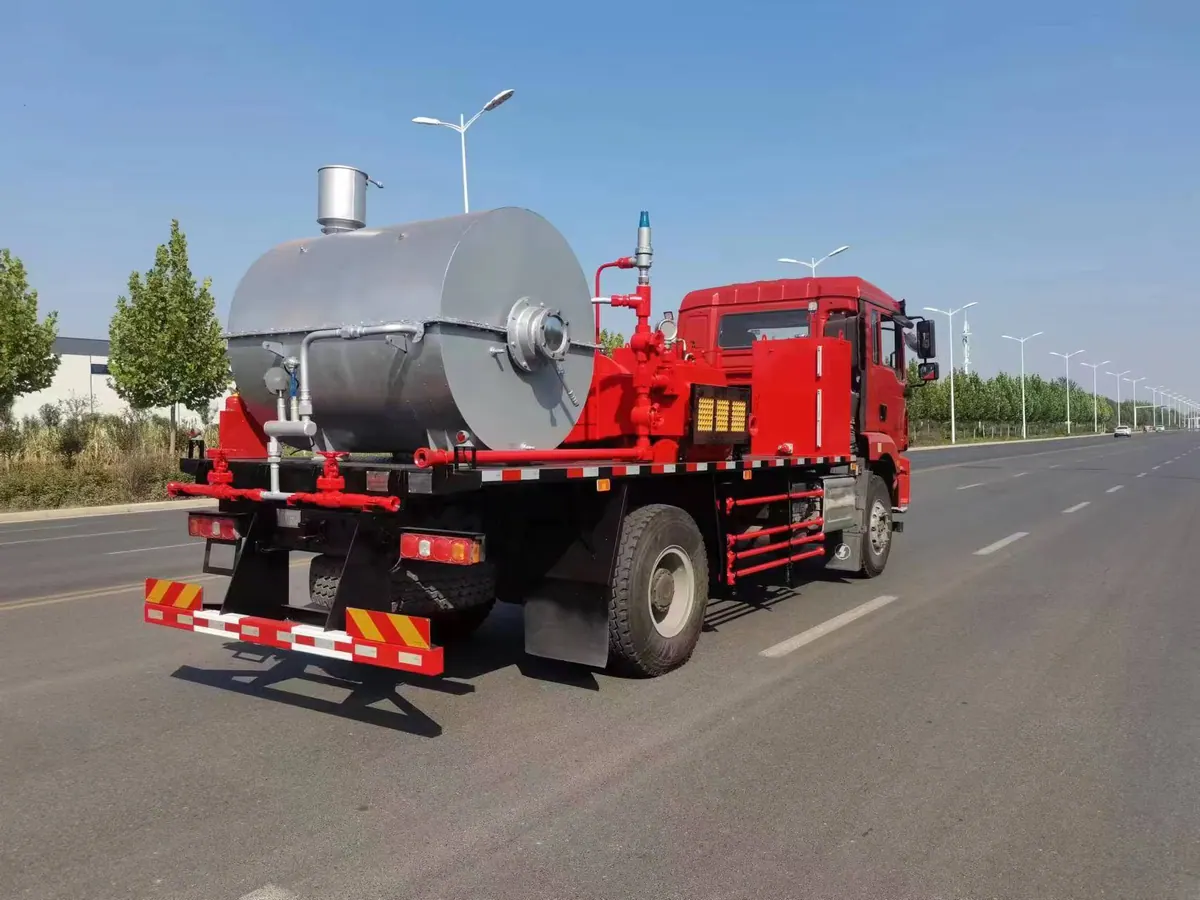
Ask the responsible supplier and project safety reviewers to identify the heating and circulation functions included in the proposed arrangement. Use the selected equipment and operating basis rather than a universal controls checklist. The buyer needs to know what is actually supplied and what remains with external site equipment. A generic claim of complete safeguards cannot establish the behavior of every possible truck or connected wellsite arrangement.
Distinguish measurement, alarm and action
Request a schedule showing relevant indications, alarms and any automatic actions separately. Ask which installed equipment and signals support each function. A displayed value does not automatically imply a protective trip, and an alarm does not guarantee an automatic response. The competent team should agree the actual required behavior and limitations without procurement inventing a universal threshold or replacing the manufacturer design basis with a general article.
Review heating and circulation dependencies together
Ask the relevant providers to describe how the accepted design addresses the dependency between heating and fluid movement, including the functions actually included. Keep equipment and interface identities with the response. A burner controller alone does not establish every pump or flow-related function, while a pump indication does not prove what the heating system does under a changed condition. Identify any external signals or purchaser equipment needed.
Agree an appropriate verification proposal
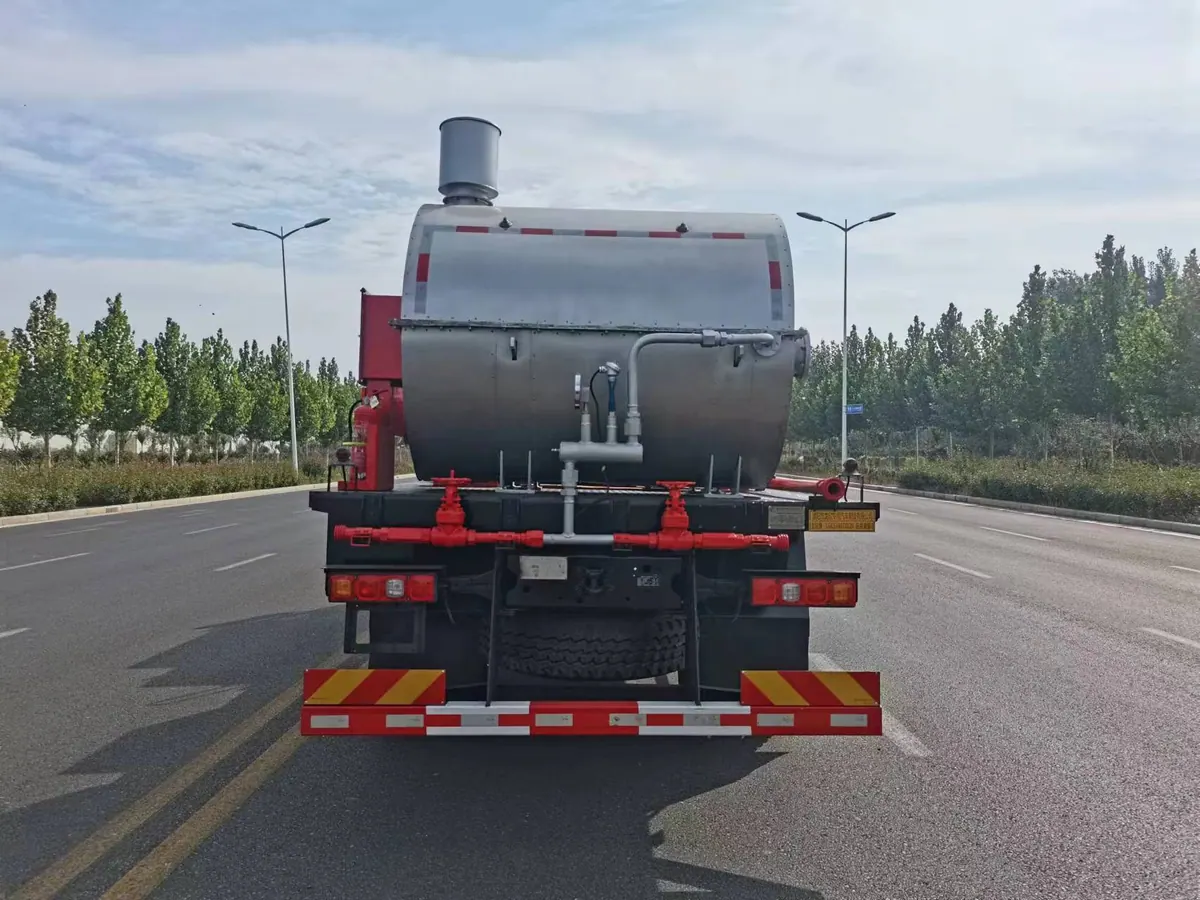
Have the responsible reviewers define checks suitable for the supplied configuration and required functions. Distinguish documents, representative input demonstrations and installed-system evidence. Do not prescribe disabling, bypassing or creating hazardous conditions for a generic test. The purchase should establish the evidence and responsible parties, with actual testing performed under approved equipment procedures and competent supervision.
Retain restrictions and operating responsibilities
Include the accepted function schedule, equipment records and relevant instructions in handover. Ask what review is required after sensor, controller or configuration changes. Automatic functions do not themselves authorize unattended operation or replace the approved site response. Keep operator and external-system responsibilities explicit instead of treating a panel photograph or familiar controller brand as proof that every protective requirement is covered.
Compare functions one by one, not by safety slogans
Require bidders to identify the supplied measurement, indication, alarm and action scope for the same accepted arrangement. Ask for limitations and dependencies to be marked rather than inferred. This helps the purchaser distinguish a basic monitoring package from a different control scope without inventing a universal design or approving changes to safety functions. The accepted order should provide identifiable equipment and verification evidence, not promise complete protection under every event, unrestricted remote operation or permission to override a function when the treatment conditions differ from the reviewed basis.
Put these items side by side in the bid review
| Purchase item | Question to resolve | Evidence to request |
|---|---|---|
| Function | Indication, alarm or automatic action? | Accepted function schedule |
| Integration | Which actual signals and equipment are involved? | Identified interface response |
| Evidence | How is the supplied function substantiated? | Approved verification scope |
Suggested wording for the quotation request
Provide the burner and circulation function schedule for the proposed wax-removal truck. Identify measurements, indications, alarms and actions separately, with equipment and external-signal dependencies. Agree configuration-specific verification and handover documents with the responsible reviewers. State restrictions on changes and attendance requirements without a generic safety guarantee or any proposal to bypass protective functions during ordinary operation.
Select the wax-removal truck against an identified deposit, compatible treating fluid and an accepted circulation assignment. Review heater duty, delivered temperature, paired pump conditions, storage and the external return route together. Maximum component ratings and a wax appearance temperature do not establish a universal treatment recipe or prove cleaning effectiveness. Confirm the actual included equipment, measurement evidence and supplier responsibilities. Retain fluid information, configuration documents, operating limits and acceptance records with the purchase. Work at a well or flowline requires the responsible engineers, competent personnel and approved equipment and site procedures.
For the wider equipment scope, consult the Oilfield Wax Removal Truck: Safety Systems Guide. Use the RFQ checklist to collect the supporting documents before requesting a configuration-specific quotation.
Buyer questions
Does an alarm list establish automatic protective behavior?
No. Confirm the actual functions and their dependencies in the supplied arrangement.
Does automatic control remove site attendance requirements?
No. Follow the accepted equipment documents and responsible project requirements.
Background and supplier contact
OSHA oil and gas extraction guidance offers related background, not certification of the equipment in a quotation. Applicability must be checked for the project and destination.
Explore the wax removal truck, browse all technical resources, or visit Vance Petroleum for company information. Request a wax-removal package proposal with deposit information, treating-fluid properties, circulation duty and the return arrangement.