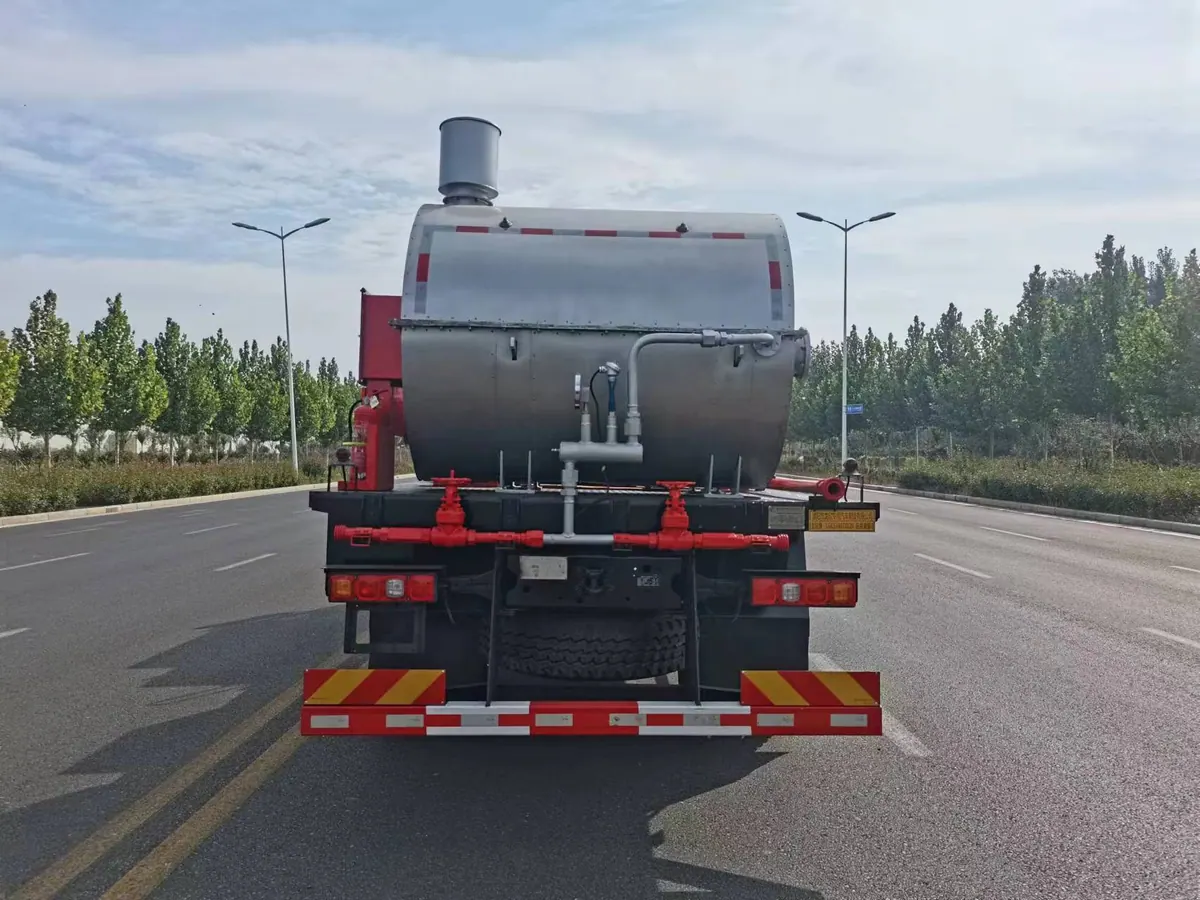
Identify the actual line and treatment objective
Provide the responsible flow-assurance team information about the relevant line, deposit evidence and intended result. Distinguish a reviewed circulation assignment from an unidentified blockage or a different material requiring another assessment. A truck product name does not establish universal pipeline cleaning or hydrate-removal capability. Keep uncertainties visible so the supplier can identify supported equipment scope rather than promise to restore every restricted line.
Obtain the accepted circuit and receiver information
Have the competent project team define the proposed supply and return boundaries and relevant line or receiver limits. Provide the approved information needed by the equipment suppliers. The truck quotation should not prescribe a line-opening, pressurizing or blockage-clearing method. It should respond to an accepted arrangement with the selected fluid and required heated pumping duty stated together.
List the complete supplied connection kit
Ask which assemblies, ends, adapters and other interface items are included for the actual service. Identify external supports and site equipment separately. A matching flange description is not evidence that the complete connection is suitable. Request configuration-specific documentation and restrictions from the responsible providers, with any independent or destination-specific requirements confirmed before treating them as included contractual scope.
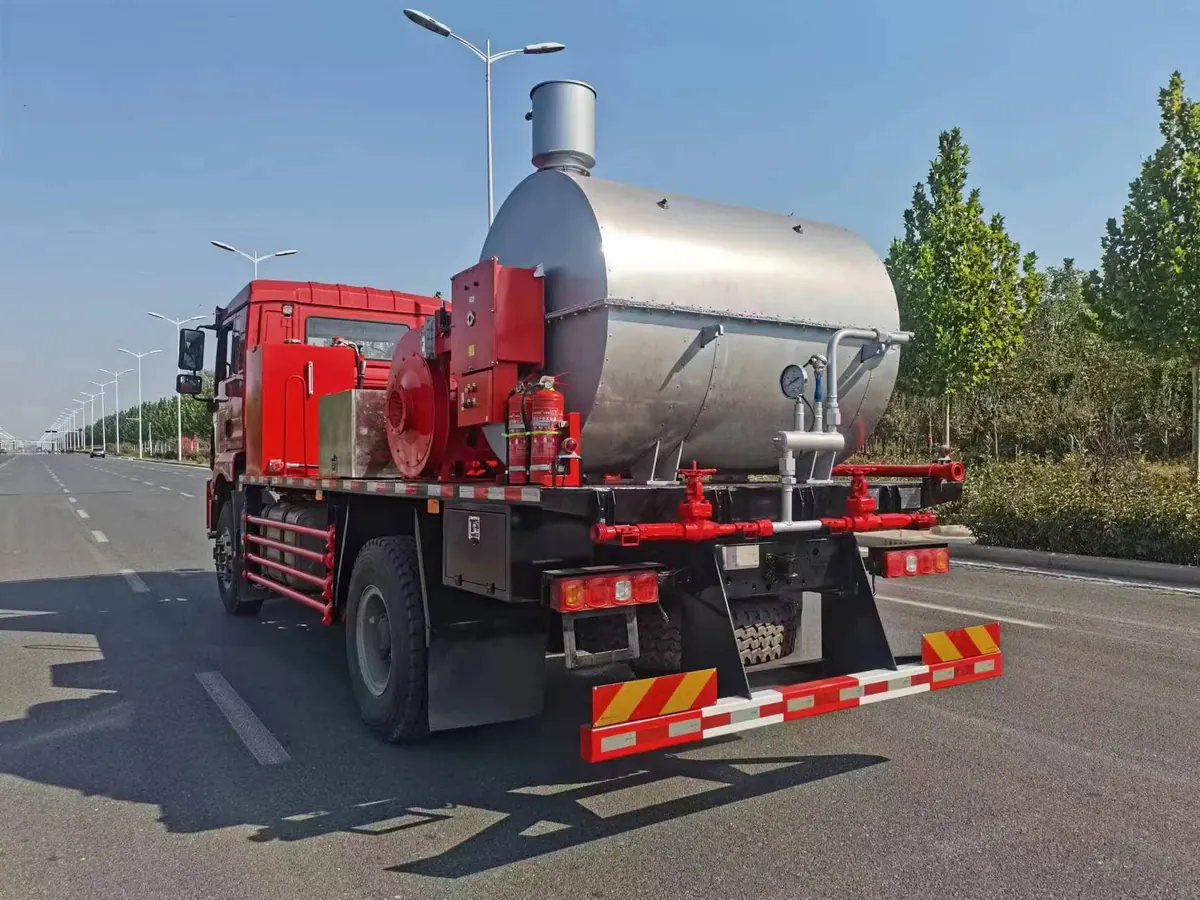
Review heat delivery and recovered-fluid handling
Identify the truck acceptance boundary and who assesses the wider thermal path and return destination. A long or exposed external route can require a different project assessment from a short wellsite interface. Keep measured outlet conditions distinguishable from estimates at the deposit. Ask who supplies the receiver and accepts the recovered mixture instead of assuming that mobile heating includes every process and collection function beyond the vehicle.
Carry site differences into acceptance
Agree the truck evidence and remaining location-specific checks with the responsible team. A factory demonstration cannot reproduce every surface line or prove removal of an unknown blockage. If the line, deposit, fluid or connection arrangement changes, obtain the relevant review. The accepted purchase should preserve supported equipment duty and explicit boundaries rather than extend one successful assignment into a universal flowline restoration claim.
Compare flowline supply on equal accepted conditions
Ask bidders to respond to the same circuit, fluid and connection requirements and identify what remains purchaser scope. Reconcile external handling, thermal assessment and receiver work before comparing complete costs. A truck-only offer can be appropriate, but its limits should be understood. The final agreement should identify what is delivered and verified without promising a fixed cleaning length, treating wax and hydrates as interchangeable or implying that a nominal pressure capability makes it acceptable to force circulation through any unreviewed blocked line.
Put these items side by side in the bid review
| Purchase item | Question to resolve | Evidence to request |
|---|---|---|
| Line | What deposit and circuit are actually reviewed? | Accepted project basis |
| Kit | Which connection assemblies are included? | Configuration-specific supply list |
| Boundary | Who accepts the external thermal and return arrangement? | Named responsibility register |
Suggested wording for the quotation request
Quote the wax-removal truck and connection package for the attached accepted flowline assignment. Identify the selected fluid, supported heated pumping duty, supplied assemblies and external receiver or handling work. State verification boundaries and missing inputs. Keep blockage diagnosis and operating authorization with the responsible project team rather than assuming a standard connection kit proves suitability for every restricted surface line.
Select the wax-removal truck against an identified deposit, compatible treating fluid and an accepted circulation assignment. Review heater duty, delivered temperature, paired pump conditions, storage and the external return route together. Maximum component ratings and a wax appearance temperature do not establish a universal treatment recipe or prove cleaning effectiveness. Confirm the actual included equipment, measurement evidence and supplier responsibilities. Retain fluid information, configuration documents, operating limits and acceptance records with the purchase. Work at a well or flowline requires the responsible engineers, competent personnel and approved equipment and site procedures.
For the wider equipment scope, consult the Oilfield Wax Removal Truck: Uses and Operation. Use the RFQ checklist to collect the supporting documents before requesting a configuration-specific quotation.
Buyer questions
Does a well-tubing configuration automatically suit a flowline?
No. Review the actual line, circuit, fluid and interface requirements.
Is a wax-removal truck a universal hydrate-removal unit?
No. A different blockage or material requires its own competent assessment and accepted equipment scope.
Background and supplier contact
OSHA oil and gas extraction guidance offers related background, not certification of the equipment in a quotation. Applicability must be checked for the project and destination.
Explore the wax removal truck, browse all technical resources, or visit Vance Petroleum for company information. Request a wax-removal package proposal with deposit information, treating-fluid properties, circulation duty and the return arrangement.