Define the exposure cases that matter
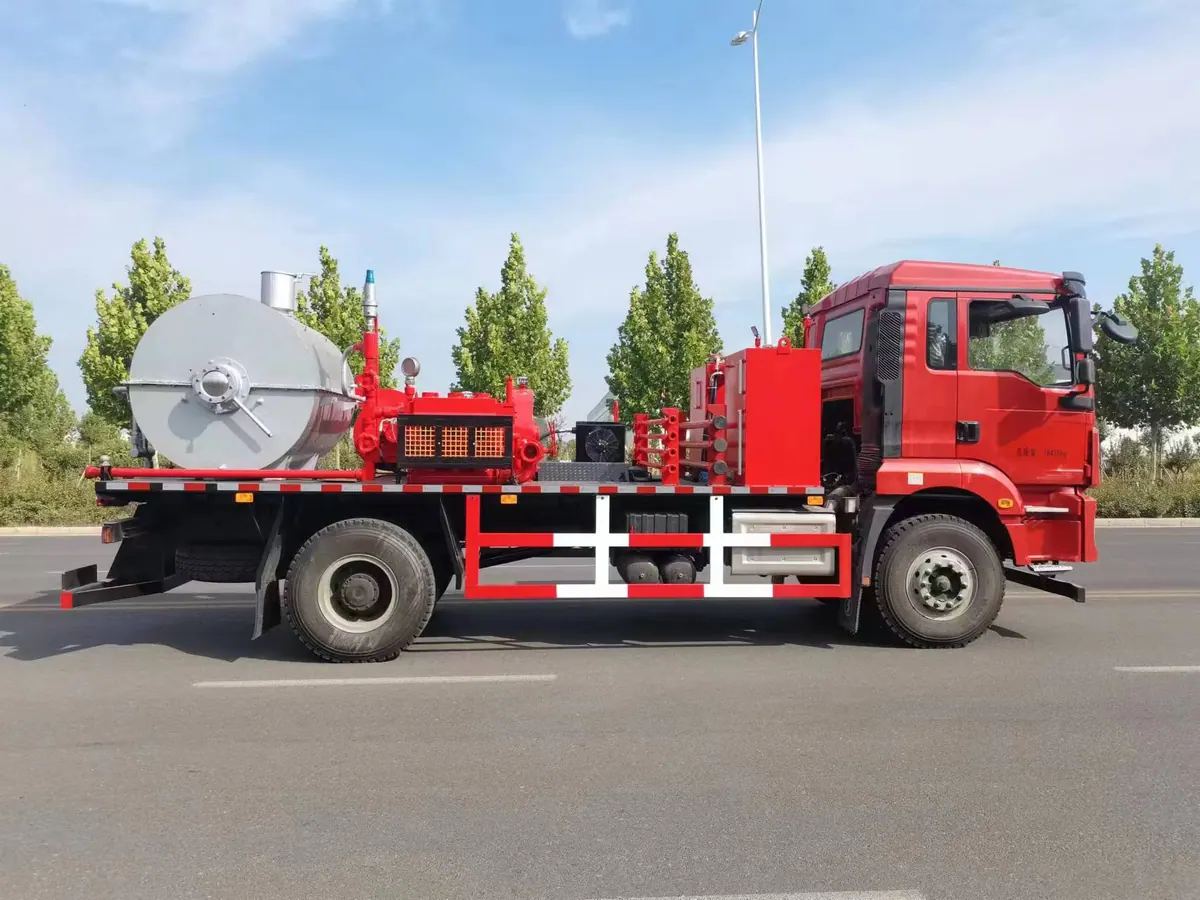
Provide the relevant climate, waiting, transport and working information to the responsible suppliers. Identify whether equipment remains energized or depends on an external utility between assignments. A minimum ambient number alone does not describe those cases. The purchase should identify what the proposed winter arrangement supports instead of assuming a reference arctic label applies to every fluid and connected path.
Map onboard and external fluid boundaries
Ask which heater, pump, tanks, instruments and connections are included in the proposed configuration. Identify external assemblies and receiving equipment separately. A protected onboard component does not establish the condition of an exposed connection or a site receiver. Keep the complete reviewed path and provider responsibilities visible rather than treating the vehicle enclosure as protection for every part of the treatment arrangement.
Review the actual treating and returned fluids
Provide accepted fluid information and expected variation to the competent reviewers. Ask which environmental restrictions and preparation requirements follow from the actual equipment and fluid basis. Do not invent a universal temperature allowance or warming method. A fluid that is suitable in one accepted case may still need review under different storage or exposure conditions, especially when the recovered mixture differs from the original supply.
Identify utilities and included provisions
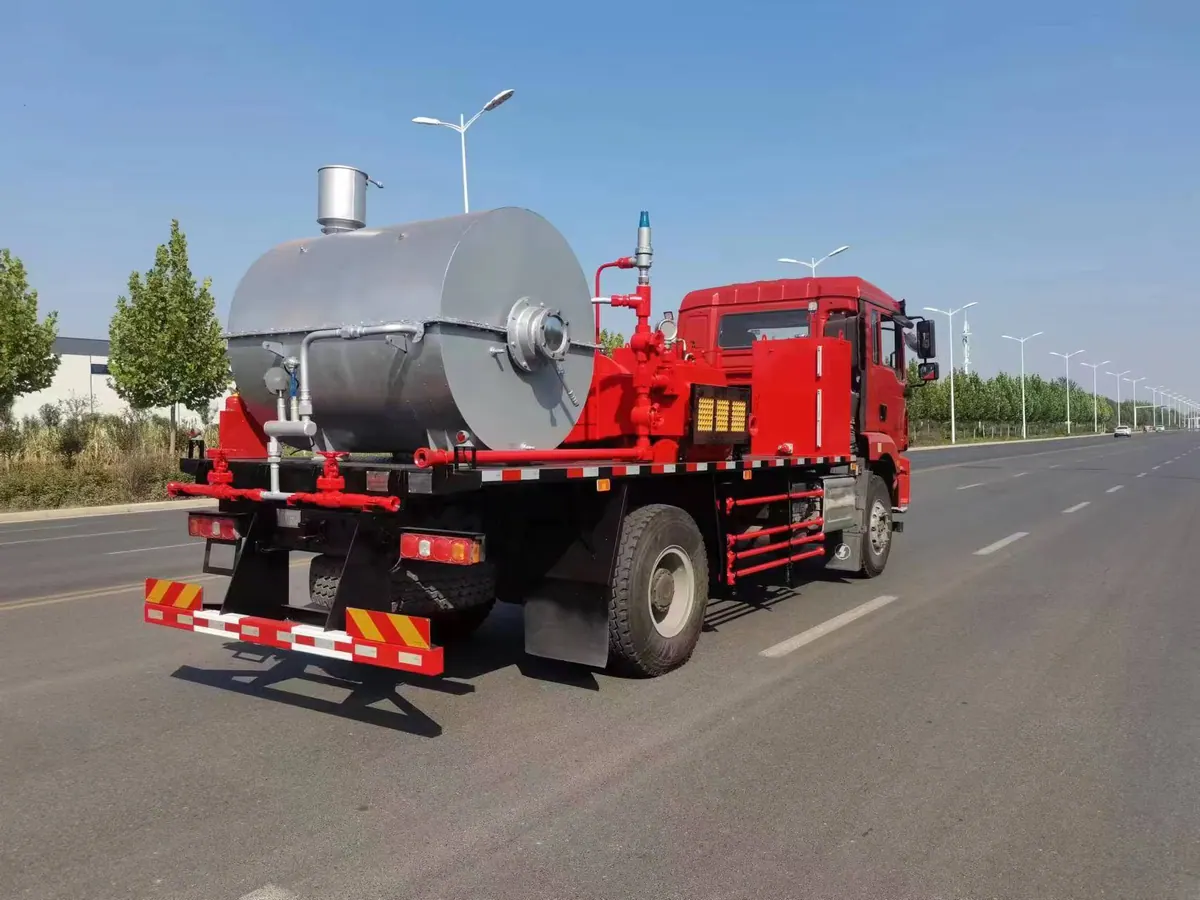
Request the actual insulation, heating or other provisions offered where required by the accepted review. Ask what power or external services support them and which functions remain restricted. The presence of a winter option does not establish unlimited autonomy or unattended operation. Keep service and preservation documents with the technical response rather than promise that one added heater guarantees every cold-start and transport condition.
Agree evidence and later-site review
Ask what component information, installation checks and other evidence supports the proposed climate scope. Distinguish conditions represented at the factory from those requiring later site acceptance. Retain the accepted arrangement and restrictions with the order. Changes in fluid, external route or waiting pattern need relevant review rather than relying on a broad temperature statement from a different vehicle or campaign.
Compare climate support at the actual fluid path
Have bidders identify covered equipment, exposure cases, utilities and remaining external work against the same assignment. This avoids comparing two nominal ambient figures that describe different support conditions. Include purchaser responsibilities and restrictions before evaluating price. The accepted package should support a documented configuration, not promise that all waxy liquids remain suitable indefinitely, that insulated storage protects every connection or that a winterized cabin establishes complete truck and wellsite readiness under every combination of cold, waiting and utility loss.
Put these items side by side in the bid review
| Purchase item | Question to resolve | Evidence to request |
|---|---|---|
| Exposure | Travel, waiting, startup or working? | Defined climate and campaign cases |
| Path | Which supplied and external items are covered? | Accepted equipment boundary |
| Resources | What supports the winter provisions? | Utility and verification scope |
Suggested wording for the quotation request
Propose the cold-weather scope for the attached wax-removal fluid, equipment paths and exposure cases. Identify covered onboard equipment, external connections, required utilities and preservation documents. State restrictions and supporting evidence, including site checks and changes requiring review. Do not use a generic ambient label or cabin-heating option as a guarantee for every treating-fluid and return arrangement.
Select the wax-removal truck against an identified deposit, compatible treating fluid and an accepted circulation assignment. Review heater duty, delivered temperature, paired pump conditions, storage and the external return route together. Maximum component ratings and a wax appearance temperature do not establish a universal treatment recipe or prove cleaning effectiveness. Confirm the actual included equipment, measurement evidence and supplier responsibilities. Retain fluid information, configuration documents, operating limits and acceptance records with the purchase. Work at a well or flowline requires the responsible engineers, competent personnel and approved equipment and site procedures.
For the wider equipment scope, consult the Oilfield Wax Removal Truck: Remote Field Guide. Use the RFQ checklist to collect the supporting documents before requesting a configuration-specific quotation.
Buyer questions
Does cabin heating establish readiness of exposed treatment lines?
No. Review the actual path and environmental requirements separately.
Are travel, storage and working climate cases interchangeable?
No. State the accepted cases and supporting equipment evidence explicitly.
Background and supplier contact
OSHA oil and gas extraction guidance offers related background, not certification of the equipment in a quotation. Applicability must be checked for the project and destination.
Explore the wax removal truck, browse all technical resources, or visit Vance Petroleum for company information. Request a wax-removal package proposal with deposit information, treating-fluid properties, circulation duty and the return arrangement.