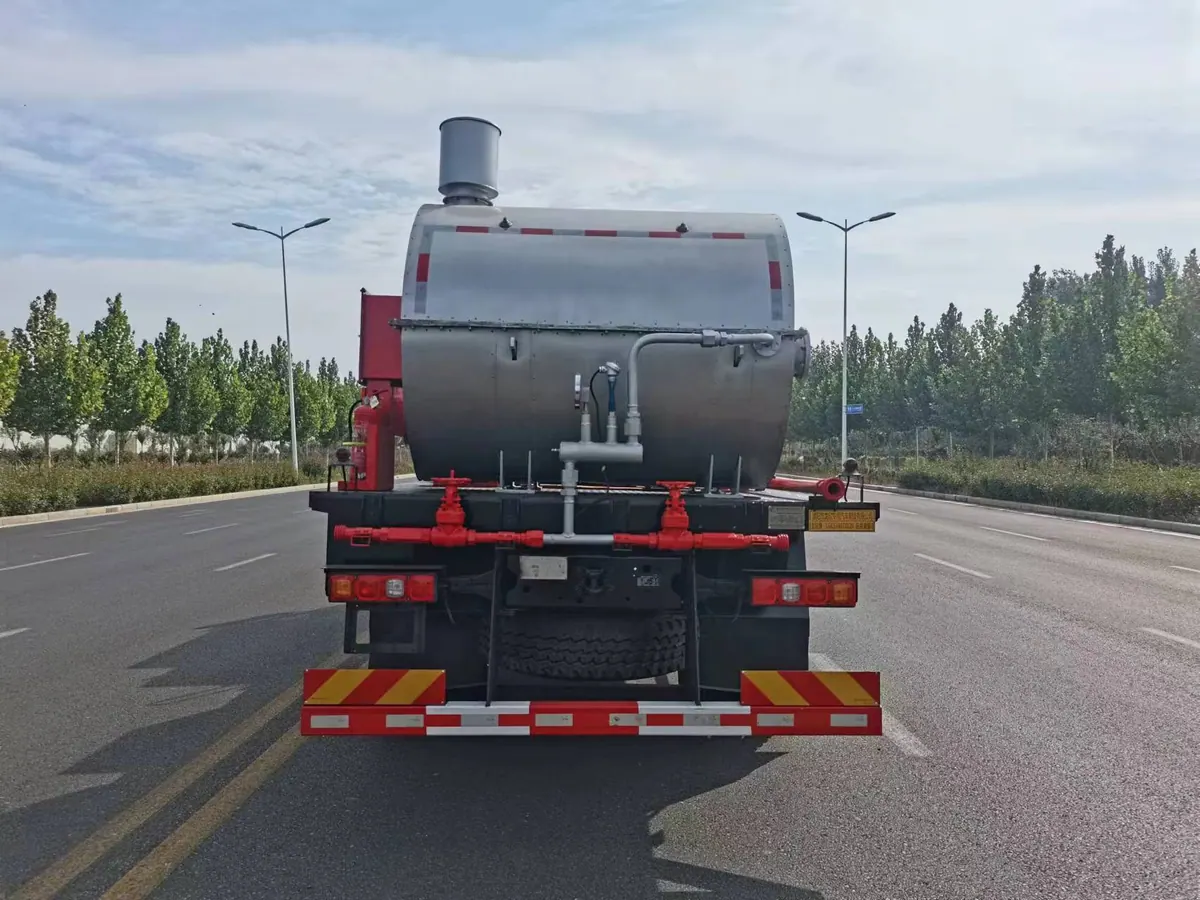
Identify the configuration and demonstration boundary
List the actual heater, pump, tanks, controls and supplied connections covered by the factory plan. Ask which equipment is installed and which interfaces use representative or external items. Retain identities and accepted duty information with the plan. A demonstration of an unrelated reference vehicle or individual component should not be treated as evidence for every function in the ordered wax-removal package.
State what cold-fluid checks are intended to establish
Have the responsible reviewers define appropriate checks and acceptance criteria for the supplied arrangement. Identify the test liquid and conditions and retain their relevance and limitations. A cold test can address specified installation or functional questions, but it does not automatically establish heat delivery, behavior with the selected treating fluid or treatment effectiveness. Keep those boundaries explicit instead of using one successful run as universal package evidence.
Request separate support for the accepted heated duty
Ask the supplier to identify calculations, component records and appropriate demonstrations supporting the actual fluid and simultaneous duty requirements. State the measurement locations and conditions covered. The competent team should agree the required evidence without prescribing a generic firing, pressure or loading procedure. Distinguish verified installed functions from claims that still depend on external site conditions or purchaser equipment absent during the demonstration.
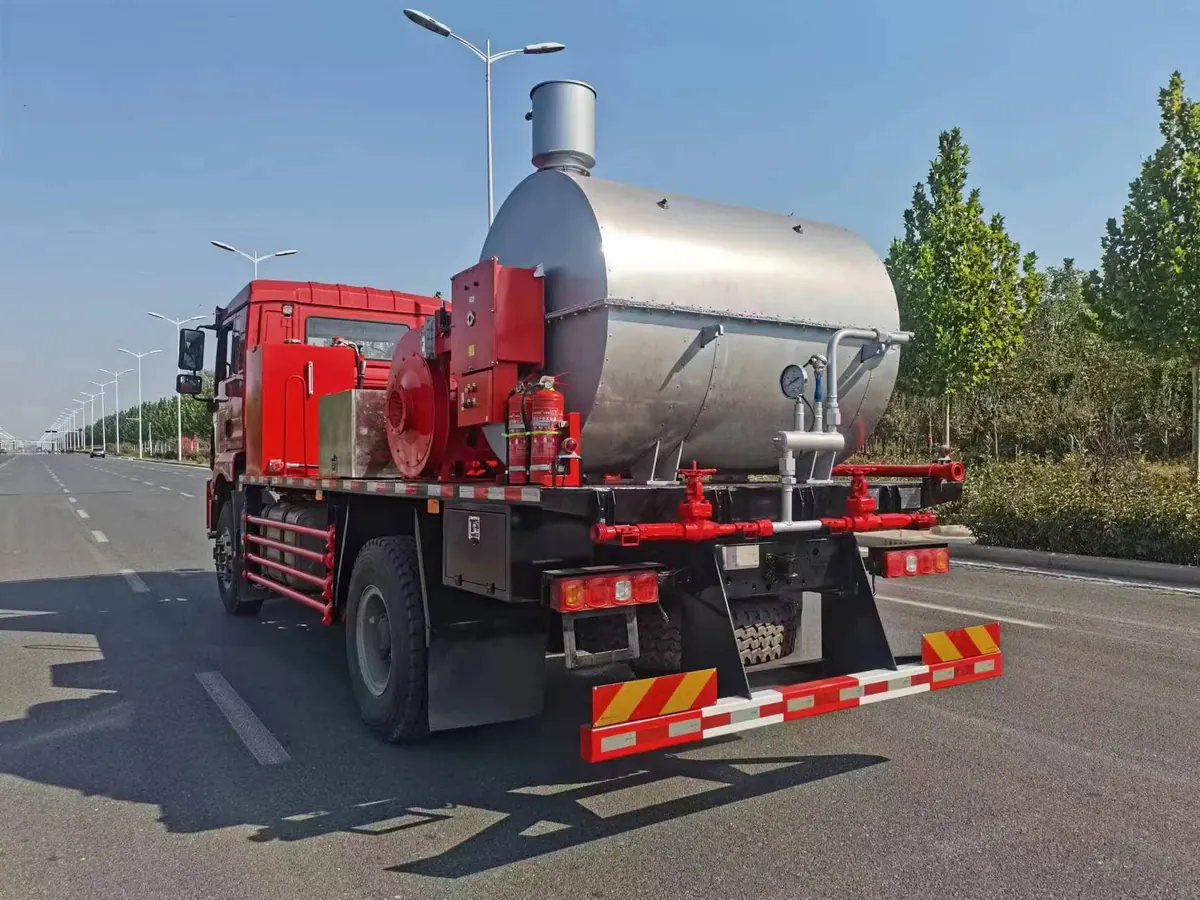
Keep well and deposit outcomes outside unsupported proof
A factory does not reproduce the actual deposit, completion or return route merely because it demonstrates heating and pumping. Identify which field observations and reviews remain necessary under the accepted program. Do not turn outlet temperature or a clear test liquid into proof of wax removal, restored production or an approved treatment interval. Procurement should obtain useful equipment evidence while preserving responsibility for the actual field assessment.
Close deviations and deliver the original records
Agree how open items and equipment changes are reviewed, and which checks need to be repeated after modification. Retain relevant raw results, configuration records and accepted documents with handover. A completed vehicle or attended demonstration does not itself close every interface. The final purchase should identify what was proven, under which conditions and what still requires confirmation before site acceptance.
Compare acceptance plans by the questions they answer
Ask bidders to map each important requirement to its equipment, evidence and remaining limitation. Separate inspection, functional checks, thermal support and site-dependent work. This is more useful than counting test certificates or accepting a broad factory-tested claim. The order should establish a configuration-specific record that the receiving team can use, without implying that a cold-water run verifies every heated fluid case, that an individual heater result proves the whole wellsite arrangement or that a factory demonstration guarantees the next well will respond to treatment.
Put these items side by side in the bid review
| Purchase item | Question to resolve | Evidence to request |
|---|---|---|
| Identity | Which ordered equipment is represented? | Accepted configuration schedule |
| Evidence | What does cold or heated verification cover? | Defined conditions and limitations |
| Site | What remains outside the factory boundary? | Field interface and acceptance register |
Suggested wording for the quotation request
Provide a factory acceptance plan for the ordered wax-removal truck. Distinguish cold-fluid installation and function checks from evidence supporting the accepted heated duty. Identify actual and representative equipment, measurement conditions and limitations. Deliver original records and deviation closure, with remaining site checks explicit and no unsupported claim that factory heating or pumping proves deposit removal or production response.
Select the wax-removal truck against an identified deposit, compatible treating fluid and an accepted circulation assignment. Review heater duty, delivered temperature, paired pump conditions, storage and the external return route together. Maximum component ratings and a wax appearance temperature do not establish a universal treatment recipe or prove cleaning effectiveness. Confirm the actual included equipment, measurement evidence and supplier responsibilities. Retain fluid information, configuration documents, operating limits and acceptance records with the purchase. Work at a well or flowline requires the responsible engineers, competent personnel and approved equipment and site procedures.
For the wider equipment scope, consult the Oilfield Wax Removal Truck: FAT Checklist. Use the RFQ checklist to collect the supporting documents before requesting a configuration-specific quotation.
Buyer questions
Does a cold-fluid run prove the full heated duty?
No. Identify the checks it supports and obtain separate relevant thermal evidence.
Can factory acceptance prove cleaning of the actual field deposit?
Not by itself. The field program and actual deposit require their own assessment.
Background and supplier contact
OSHA oil and gas extraction guidance offers related background, not certification of the equipment in a quotation. Applicability must be checked for the project and destination.
Explore the wax removal truck, browse all technical resources, or visit Vance Petroleum for company information. Request a wax-removal package proposal with deposit information, treating-fluid properties, circulation duty and the return arrangement.