Separate equipment requirements from the treatment result
Identify the supplied functions, accepted fluid and truck duty that the equipment provider is responsible for. Keep the broader well-treatment objective with the responsible project team and any separately contracted service scope. A desire for improved production does not by itself establish a measurable truck acceptance criterion. The purchase should state what is controlled, what can be observed and which outcome remains dependent on the actual well and deposit.
Define comparable observations before the assignment
Have the competent team identify relevant baseline and follow-up information for the approved program. Record conditions that affect interpretation rather than compare isolated favorable numbers. A changed operating state can make an apparent improvement or decline difficult to attribute. The truck supplier should identify the measurements its equipment actually supplies, while the project team agrees the wider evidence needed to assess treatment response.
Identify record and measurement responsibilities
Ask who provides instruments, relevant calibration evidence, recording and interpretation for each accepted observation. Distinguish truck indications from external well or production measurements. A digital display does not guarantee a complete traceable dataset. Include configuration identities and source information so the receiving team can understand the records, with any provisional estimates marked rather than presented as directly measured field results.
Agree how differences and uncertainty are reviewed
Define the responsibility for assessing a result that differs from the accepted equipment duty or anticipated well response. Keep truck limitations, site interfaces and deposit uncertainty distinguishable. Do not assume every disappointing outcome proves a truck fault, or that meeting the heater duty proves the treatment objective was achieved. The relevant team should review the actual evidence and contract scope without a universal production-restoration promise replacing that work.
Retain evidence for handover and later decisions
Keep accepted configuration records, relevant observations, deviations and responsible decisions together. Use later operating history through the established wax-management review rather than invent a fixed repeat interval from one favorable job. A change in well conditions, treating fluid or equipment can require renewed assessment. The purchase should leave a usable evidence trail, not a simplified success statement that silently extends the original agreement to every future campaign.
Write acceptance criteria that can actually be supported
Ask the supplier to identify the equipment boundary and evidence it can provide, and have the project team agree the separate field interpretation responsibilities. Keep measurement conditions, uncertainties and remaining external dependencies visible. This supports a fair commercial decision without equating a hotter outlet with complete deposit removal or a short-term production change with a permanent improvement. The accepted package should establish verifiable supplied functions and traceable records, while any treatment guarantee must be specifically defined, supported and contracted rather than assumed from the truck product description.
Put these items side by side in the bid review
| Purchase item | Question to resolve | Evidence to request |
|---|---|---|
| Boundary | Which equipment duties are accepted? | Configuration-specific supply requirements |
| Records | What comparable observations are available? | Defined baseline and measurement schedule |
| Interpretation | Who assesses well response and uncertainty? | Named project and supplier responsibilities |
Suggested wording for the quotation request
Agree field acceptance for the proposed wax-removal truck with supplied equipment duty, measurement records and external treatment interpretation kept distinct. Identify instruments, source information, relevant conditions and responsible parties. State how deviations and uncertainty are reviewed and retained. Do not equate equipment delivery or a favorable short-term observation with an undefined guarantee of permanent production restoration or universal treatment success.
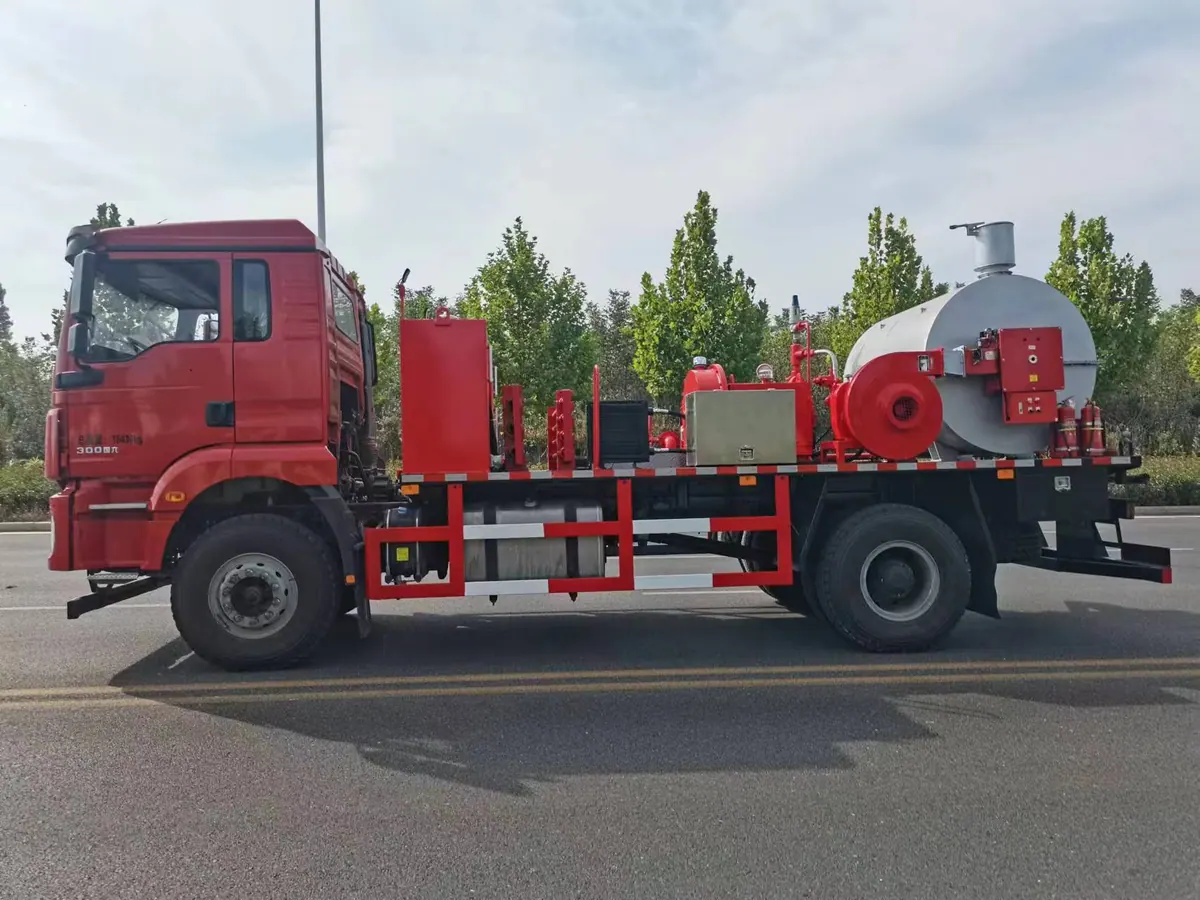
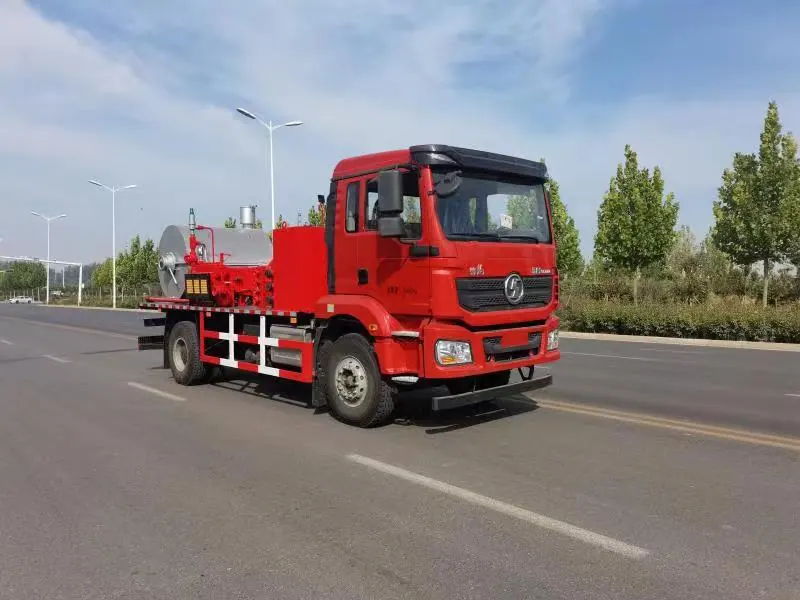
Select the wax-removal truck against an identified deposit, compatible treating fluid and an accepted circulation assignment. Review heater duty, delivered temperature, paired pump conditions, storage and the external return route together. Maximum component ratings and a wax appearance temperature do not establish a universal treatment recipe or prove cleaning effectiveness. Confirm the actual included equipment, measurement evidence and supplier responsibilities. Retain fluid information, configuration documents, operating limits and acceptance records with the purchase. Work at a well or flowline requires the responsible engineers, competent personnel and approved equipment and site procedures.
For the wider equipment scope, consult the Wax Removal Truck Scheduling: Setting Treatment Intervals. Use the RFQ checklist to collect the supporting documents before requesting a configuration-specific quotation.
Buyer questions
Does meeting heater duty prove the whole treatment succeeded?
No. Equipment performance and field treatment response require distinct evidence and review.
Should production response be assumed as a standard truck guarantee?
No. Any outcome commitment needs a defined, supported and explicitly agreed contractual scope.
Background and supplier contact
SLB fluid composition analysis background offers related background, not certification of the equipment in a quotation. Applicability must be checked for the project and destination.
Explore the wax removal truck, browse all technical resources, or visit Vance Petroleum for company information. Request a wax-removal package proposal with deposit information, treating-fluid properties, circulation duty and the return arrangement.