Keep sample identity with the reported information
Ask the responsible project team to link available analysis to its well or flowline, sampled material and relevant date or operating context. Retain limitations noted by the laboratory or fluid specialist. An old sample from another location may be useful background but is not automatically representative of the current assignment. The supplier response should identify the actual information used for selection and any remaining uncertainty.
Distinguish fluid behavior from deposit identity
Provide the reports available for the circulating liquid and recovered deposit separately. Ask the competent specialist which properties matter for the proposed treatment assessment. A fluid characteristic such as wax appearance temperature does not alone describe an aged or mixed deposit. Do not convert one laboratory number into a universal heater setting, treatment duration or guarantee that every material encountered in the well will respond identically.
Translate evidence into equipment inputs
Have the responsible team identify the accepted treating fluid and relevant conditions for the heater, pump and storage review. Ask bidders to state missing information rather than assume it from a generic crude-oil description. Keep the equipment selection linked to the actual data and reviewed duty. Laboratory characterization, installed-equipment compatibility and field treatment acceptance remain different tasks even when they use some of the same source information.
Preserve uncertainty and proposed follow-up
Identify which observations are measured, estimated or still provisional. Ask what additional work is necessary before the relevant provider can accept a configuration or treatment basis. A preliminary quotation can be useful if its qualifications remain visible. It should not turn incomplete sample information into a confirmed cleaning result or imply that more burner capacity removes the need to understand the actual deposit and fluid.
Maintain the accepted evidence with the order
Keep the selected reports, relevant interpretations and supplier clarifications under document control with the final equipment schedule. If a new sample or changed operating condition alters the basis, request the appropriate review before extending the original selection. This supports a traceable purchase without pretending that one initial sample defines every later campaign or that a truck factory demonstration replaces analysis of the actual field material.
Ask for a concise evidence-to-requirement schedule
For each important input, identify the source report, relevant condition, responsible interpretation and equipment requirement it supports. Have bidders reference that schedule and list assumptions or gaps. This gives procurement a clear comparison while preserving the distinction between laboratory evidence and field outcomes. It also avoids requesting unnecessary tests without a defined question. The accepted package should respond to the actual data and assignment, without labelling an editorial estimate as a measured property or presenting a fluid report as automatic proof of heater performance, well suitability or production restoration.
Put these items side by side in the bid review
| Purchase item | Question to resolve | Evidence to request |
|---|---|---|
| Identity | Which material and assignment does the report describe? | Traceable source and context |
| Interpretation | What requirement does the result support? | Responsible specialist response |
| Uncertainty | What remains provisional before ordering? | Controlled inputs and qualifications |
Suggested wording for the quotation request
Use the attached identified fluid and deposit reports for the wax-removal truck assessment. State the interpreted equipment inputs, accepted duty cases and additional information required. Keep laboratory results, provisional estimates and supplier assumptions distinct. Link the proposed configuration and verification scope to the actual evidence without converting an isolated wax property or unrelated sample into a guaranteed field treatment result.
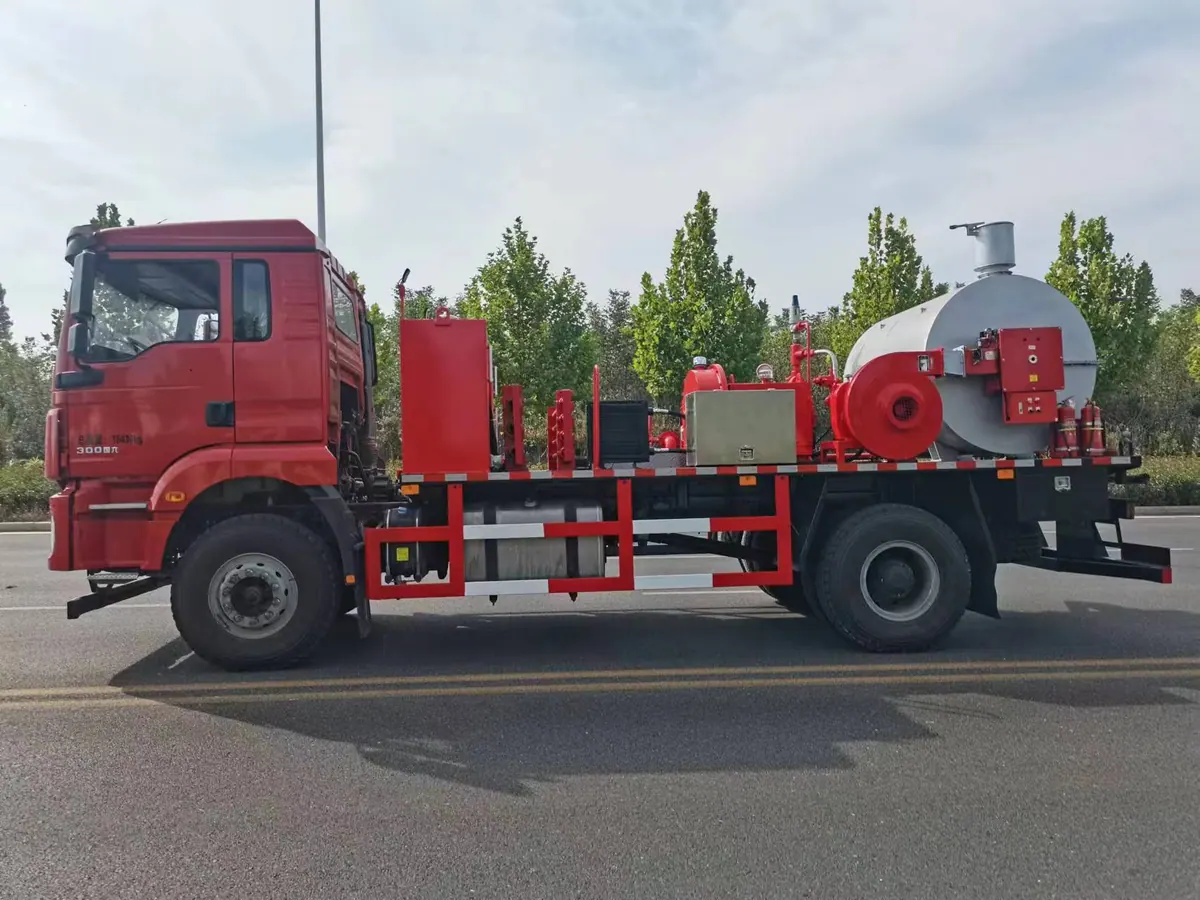
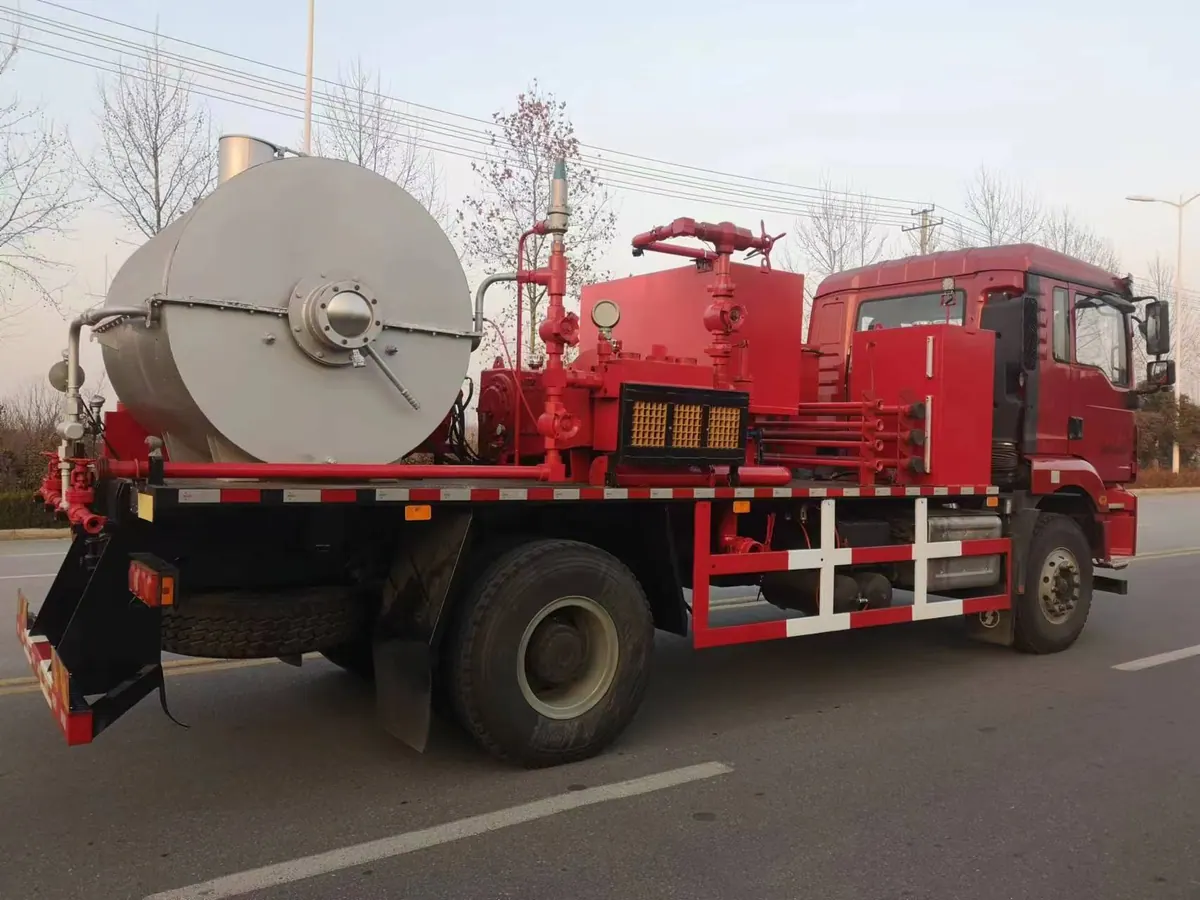
Select the wax-removal truck against an identified deposit, compatible treating fluid and an accepted circulation assignment. Review heater duty, delivered temperature, paired pump conditions, storage and the external return route together. Maximum component ratings and a wax appearance temperature do not establish a universal treatment recipe or prove cleaning effectiveness. Confirm the actual included equipment, measurement evidence and supplier responsibilities. Retain fluid information, configuration documents, operating limits and acceptance records with the purchase. Work at a well or flowline requires the responsible engineers, competent personnel and approved equipment and site procedures.
For the wider equipment scope, consult the Oilfield Wax Removal Truck: RFQ Checklist. Use the RFQ checklist to collect the supporting documents before requesting a configuration-specific quotation.
Buyer questions
Can one wax property define the complete treatment program?
No. Interpret the relevant fluid, deposit and equipment information through the responsible specialists.
Should preliminary estimates be distinguished from measured inputs?
Yes. Keep their sources, limitations and effects on selection visible in the quotation.
Background and supplier contact
SLB fluid composition analysis background offers related background, not certification of the equipment in a quotation. Applicability must be checked for the project and destination.
Explore the wax removal truck, browse all technical resources, or visit Vance Petroleum for company information. Request a wax-removal package proposal with deposit information, treating-fluid properties, circulation duty and the return arrangement.