Describe water and other expected constituents
Provide available analysis and operating information about the stream that may reach the proposed receiving or recirculating equipment. Identify expected variation and uncertainty rather than assume the original treating fluid remains unchanged. Ask the responsible specialist which information is needed for the actual assignment. An initial clean-oil equipment selection is not automatically evidence for a recovered mixture containing water, wax and other material.
Identify where the mixture enters the supplied scope
Show whether the return stops at external collection or is proposed for further handling inside the truck. Request an equipment and interface response for that actual path. A storage connection does not establish that every recovered mixture may enter it. Keep the supplier boundary and operating restrictions visible instead of using the term circulation to imply unrestricted direct return through the heater and pump.
Request the relevant fluid and material assessment
Have the responsible providers assess the actual mixture against equipment requirements. Ask which properties, phase behavior and contaminants govern their response and what remains unconfirmed. Do not prescribe a universal water-content limit or assume an emulsion can be accepted because a pump can move it. Mechanical conveyance, heating suitability and the selected wax-treatment response are related but different reviews.

Separate conditioning and collection functions
Identify any externally required separation, conditioning or other handling with the competent project team. Ask who supplies and accepts that equipment. A basic tank or strainer does not automatically resolve all changing-fluid requirements. Include purchaser-side services in the commercial comparison so a truck-only price is not mistaken for a complete returned-fluid acceptance system that the actual offer does not provide.
Control changes and evidence after selection
Retain the accepted mixture information, equipment restrictions and supplier clarifications with the order and handover set. Ask which observed changes require further review under the approved program. If the actual source differs from the accepted basis, do not simply reuse a clean-fluid test result. Procurement should preserve the information and responsibilities needed to assess the change rather than authorize an unreviewed substitution or automatic recirculation decision.
Ask bidders to name the stream behind compatibility claims
A useful response identifies the liquid entering each supplied item, the relevant conditions and the supporting evidence. Compare those responses against the same fluid information and mark external dependencies explicitly. This avoids treating a generic oil-service statement as acceptance of every returned mixture. The selected package should have a clear receiving boundary and documented restrictions, without claiming that all emulsions respond alike, that heating is always an appropriate conditioning method or that an apparently pumpable return can be introduced into every part of the original heated supply path.
Put these items side by side in the bid review
| Purchase item | Question to resolve | Evidence to request |
|---|---|---|
| Mixture | What actually reaches the supplied equipment? | Identified return information |
| Path | Where does truck responsibility begin? | Accepted receiving boundary |
| Conditioning | What remains outside the basic package? | Named external scope and criteria |
Suggested wording for the quotation request
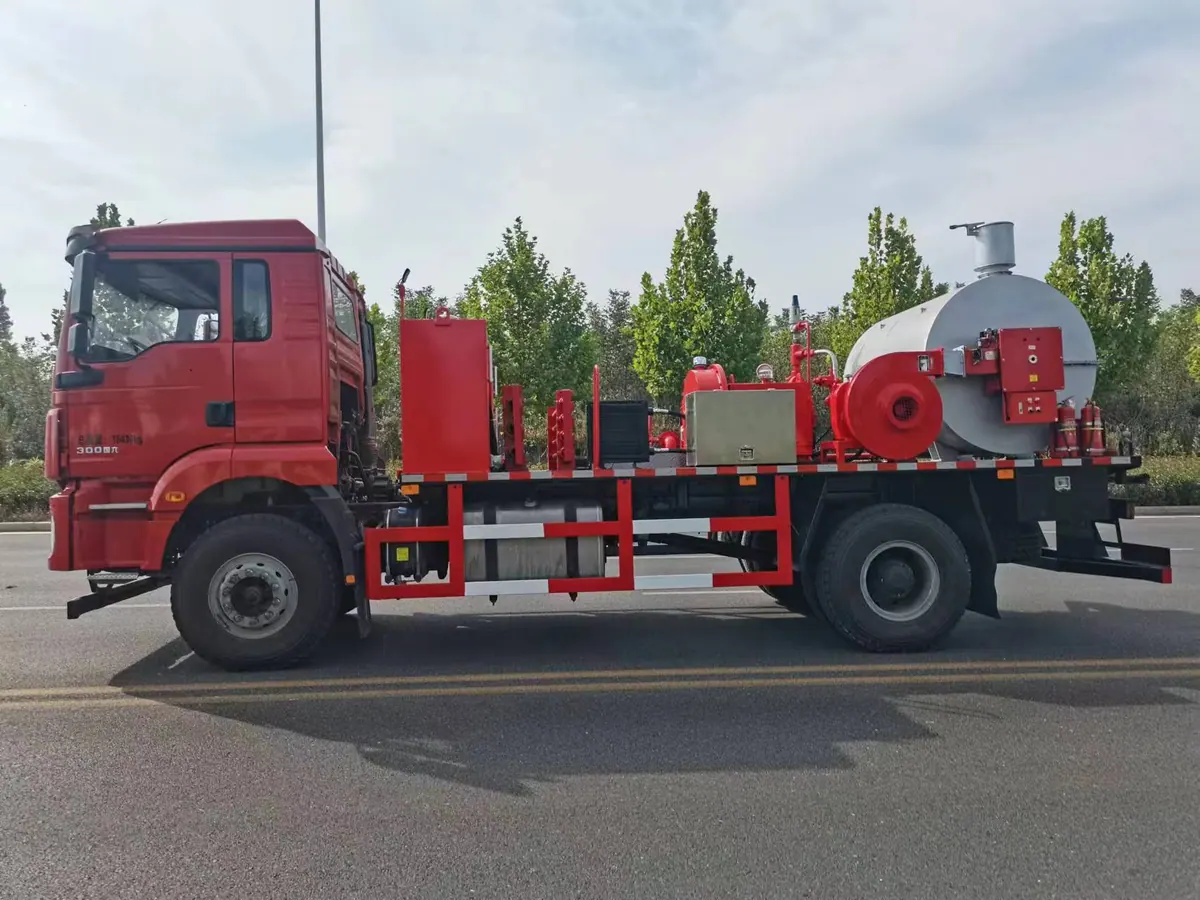
Assess the proposed wax-removal truck against the attached changing oil-water and recovered-fluid information. Identify the actual receiving and recirculation boundaries and relevant heater, pump and material restrictions. State missing analysis and external conditioning responsibilities. Distinguish conveyance, heating and reuse acceptance without extending a clean-oil demonstration or generic oil-service claim to every possible return mixture.
Select the wax-removal truck against an identified deposit, compatible treating fluid and an accepted circulation assignment. Review heater duty, delivered temperature, paired pump conditions, storage and the external return route together. Maximum component ratings and a wax appearance temperature do not establish a universal treatment recipe or prove cleaning effectiveness. Confirm the actual included equipment, measurement evidence and supplier responsibilities. Retain fluid information, configuration documents, operating limits and acceptance records with the purchase. Work at a well or flowline requires the responsible engineers, competent personnel and approved equipment and site procedures.
For the wider equipment scope, consult the Oilfield Wax Removal Truck: Compatibility Guide. Use the RFQ checklist to collect the supporting documents before requesting a configuration-specific quotation.
Buyer questions
Does clean-oil compatibility establish emulsion compatibility?
No. Review the actual mixture and conditions with the responsible equipment providers.
Does a collection tank provide complete return conditioning?
Not necessarily. Confirm the supplied function and any external acceptance requirements.
Background and supplier contact
SLB fluid composition analysis background offers related background, not certification of the equipment in a quotation. Applicability must be checked for the project and destination.
Explore the wax removal truck, browse all technical resources, or visit Vance Petroleum for company information. Request a wax-removal package proposal with deposit information, treating-fluid properties, circulation duty and the return arrangement.