Establish whether the accepted program needs chemicals
Have the responsible treatment specialist define the proposed contribution and required equipment information. Identify the selected product and relevant documentation where approved. A truck quotation should not choose a chemical, concentration or application recipe from a general wax-removal objective. Keep the treatment decision separate from equipment procurement and retain unconfirmed alternatives as qualifications rather than default included functions.
Identify the supplied dosing arrangement
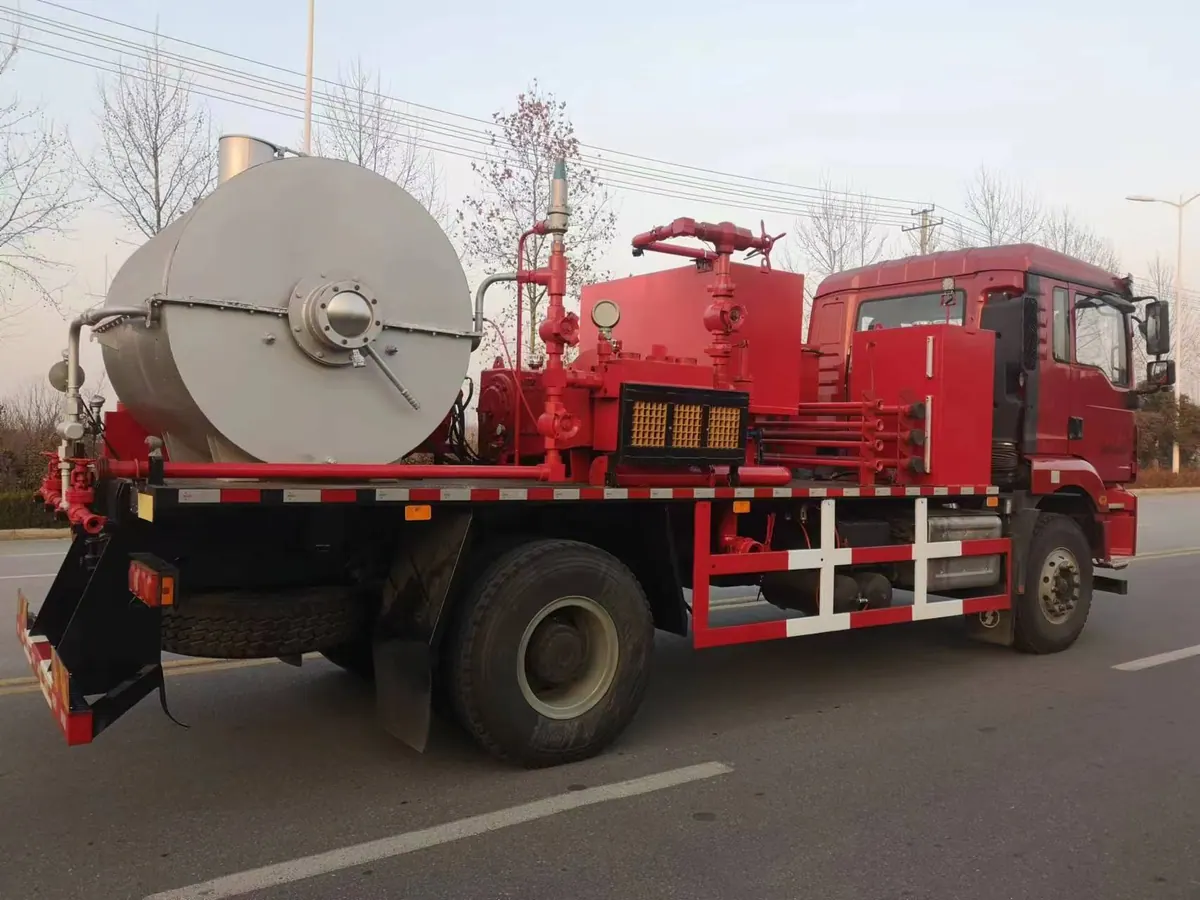
If dosing is required, ask the relevant providers to list storage, transfer, metering, connection and control equipment actually included. Identify what remains with the chemical provider or purchaser. An unused connection on the truck is not evidence of a complete dosing system. The order should describe the accepted assembly and interface boundary instead of allowing the broad phrase chemical compatible to replace an equipment schedule.
Review compatibility through the actual path
Provide the accepted fluid and chemical information to the responsible material and equipment reviewers. Ask which supplied items contact the mixture and what limitations apply. A compatible dosing pump does not establish suitability of every downstream hose, tank, seal or heated component. Keep the complete reviewed path and relevant operating conditions identifiable without assuming unrestricted chemical changes or compatibility based only on a familiar product category.
Separate indication, control and responsibility
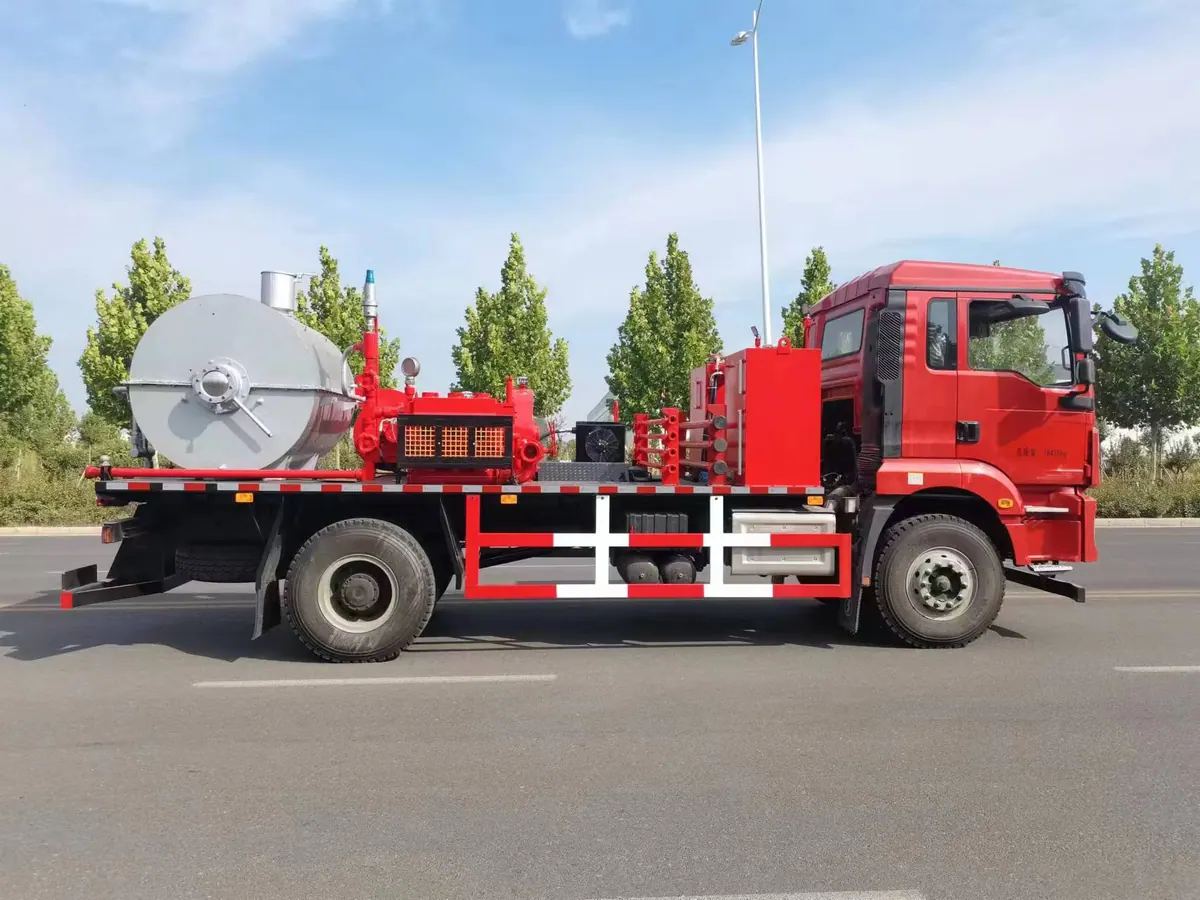
Ask how any proposed dosing equipment interfaces with the truck and who verifies the relevant functions. Distinguish local operation, recorded information and any accepted control behavior. Automatic burner or pump controls do not imply integrated chemical management. The competent project team should agree required functions and operating documents, while procurement makes supplied scope, external dependencies and verification evidence explicit.
Agree changes and acceptance before award
Request a configuration-specific response and identify which demonstrations or documents substantiate the interface. State what remains dependent on purchaser or chemical-provider equipment. A changed product or treatment plan can alter compatibility and function requirements. Preserve the accepted documents and review responsibility with the order rather than treat initial availability of a dosing connection as approval for every later chemical or wax-management strategy.
Price the accepted interface without promising chemical performance
Ask bidders to identify hardware, integration, records and external services against the same treatment basis. Keep chemical supply and treatment-effectiveness responsibilities separately stated. A heating and circulation truck can support an accepted wider program without supplying every part of it. The purchase should show what is provided and what must still be arranged, not claim universal solvent compatibility, a guaranteed reduction in treatment frequency or an automatic improvement in production from adding a dosing accessory to the vehicle.
Put these items side by side in the bid review
| Purchase item | Question to resolve | Evidence to request |
|---|---|---|
| Program | Is dosing part of the accepted assignment? | Responsible treatment basis |
| Equipment | Which dosing items are actually supplied? | Tagged interface schedule |
| Compatibility | What reviewed path contacts the mixture? | Provider-specific material response |
Suggested wording for the quotation request
Respond to the attached accepted treatment plan with a defined chemical-dosing interface, if required. Identify supplied hardware, contacted equipment, control functions and external chemical-provider responsibilities. State compatibility information and verification scope, including changes requiring review. Price the actual interface without selecting a treatment recipe or implying guaranteed chemical effectiveness from the presence of a dosing connection.
Select the wax-removal truck against an identified deposit, compatible treating fluid and an accepted circulation assignment. Review heater duty, delivered temperature, paired pump conditions, storage and the external return route together. Maximum component ratings and a wax appearance temperature do not establish a universal treatment recipe or prove cleaning effectiveness. Confirm the actual included equipment, measurement evidence and supplier responsibilities. Retain fluid information, configuration documents, operating limits and acceptance records with the purchase. Work at a well or flowline requires the responsible engineers, competent personnel and approved equipment and site procedures.
For the wider equipment scope, consult the Oilfield Wax Removal Truck: Configuration Guide. Use the RFQ checklist to collect the supporting documents before requesting a configuration-specific quotation.
Buyer questions
Does a hot-oil truck necessarily include chemical dosing?
No. Specify the actual equipment and integration scope separately.
Does one compatible dosing component approve the whole path?
No. Review all relevant contacted equipment and accepted operating conditions.
Background and supplier contact
SLB hot-oiling technical background offers related background, not certification of the equipment in a quotation. Applicability must be checked for the project and destination.
Explore the wax removal truck, browse all technical resources, or visit Vance Petroleum for company information. Request a wax-removal package proposal with deposit information, treating-fluid properties, circulation duty and the return arrangement.